Wedding decor DIY mistakes that cost more than they save

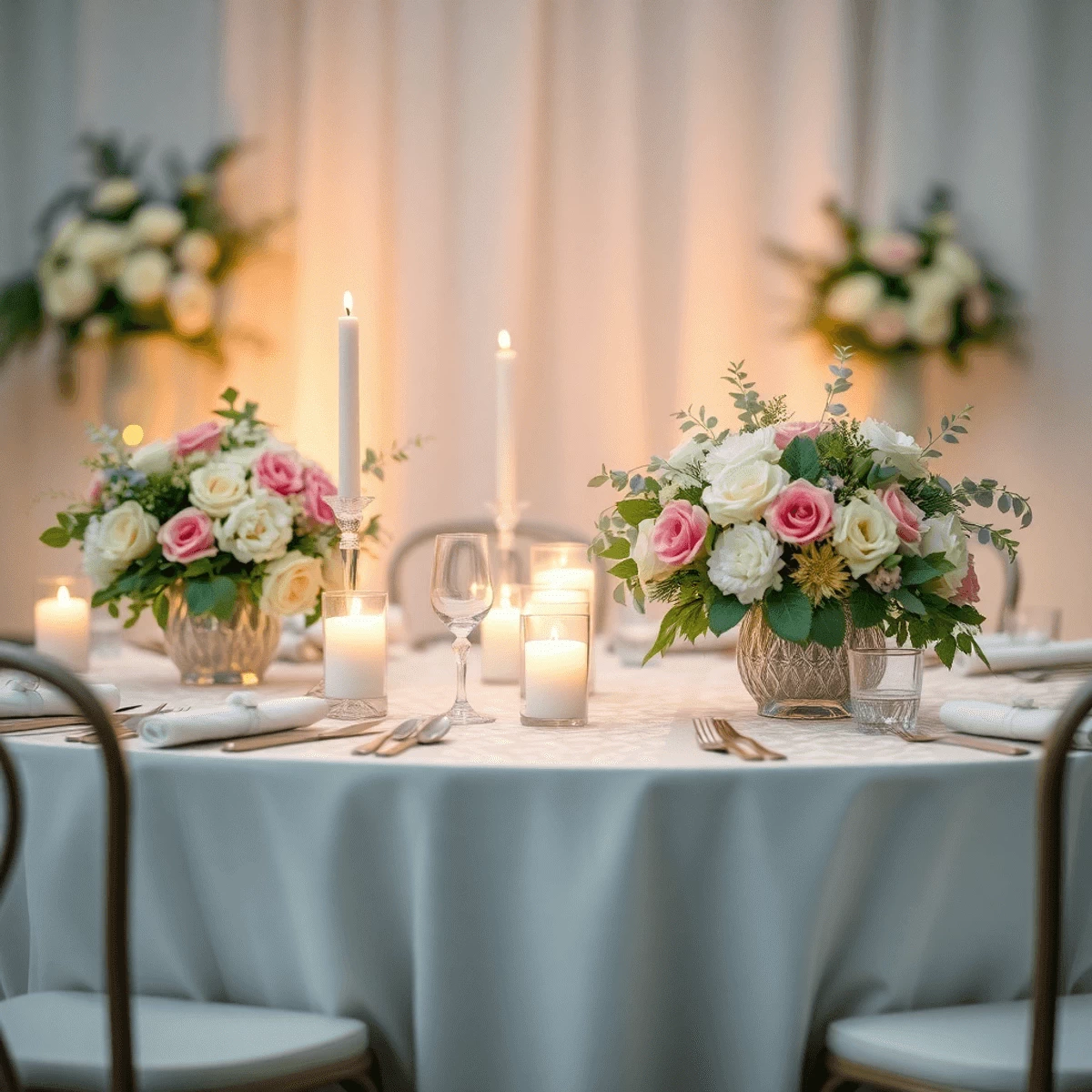
Elegant wedding table with floral centerpieces, glowing candles, lace accents, and pastel colors in a harmonious, realistic decor setting.

Are you excited about your engagement but already feeling overwhelmed by wedding planning? Because same. Not literally same, I’m not engaged right now, but I’ve watched enough brides go from “This is going to be so fun” to “I cried in the Target parking lot over napkin colors” to know the shift is real. And it usually starts with one innocent idea.

“We’ll just DIY the decor. It’ll save money.”

Sometimes it does. A lot of the time, it quietly doesn’t. Or it saves cash but costs you sleep, sanity, and a few relationships along the way.

This article is for the brides who are trying to be smart with their budget, trying to make things personal, trying to keep it all under control. And then suddenly you have six tubs of half finished centerpieces in your living room and you’re Googling “how to remove hot glue from hair.”

Let’s talk about the most common wedding decor DIY mistakes that end up costing more than they save. Not in a shaming way. In a, please learn from the chaos other people already paid for kind of way.

And then we’ll zoom out, because the truth is, the decor isn’t the only thing making this hard. The overwhelm is usually a sign you need structure, a real plan, and someone in your corner who has a process.

The promise of DIY wedding decor (and why it’s so tempting)

DIY is appealing for very normal reasons.

  • You want your wedding to feel personal, not copy paste.
  • Pinterest makes it look… doable. Suspiciously doable.
  • You’re trying to stay on budget.
  • You’re thinking, how hard can it be to paint some vases, tie some ribbons, arrange some flowers.

And it’s not that DIY is always a mistake. Some DIY is genuinely great. Place cards. Simple signage. A welcome basket. Photo displays. Stuff that can be done ahead of time, in batches, without needing you to become an unpaid production assistant the week of your wedding.

The issue is when DIY slides into “we are basically running a small event design company now,” except you’re also working full time, also planning a wedding, also managing family opinions, also trying to enjoy being engaged.

That’s when costs creep in.

Instead of falling into this common trap, consider seeking professional help for your wedding planning needs. Wedding Serenity, offers various services that can help alleviate the stress of planning and ensure your day goes off without a hitch. From blog articles filled with helpful tips and advice to specific services tailored to meet your needs, they provide valuable resources for any bride-to-be feeling overwhelmed by the planning process.

Mistake #1: Only pricing the materials, not the full cost

This is the big one. The sneaky one.

You price the supplies and think, ok, $180 for bud vases and candles, amazing.

But the real DIY bill includes:

  • shipping fees (and then shipping for returns)
  • extra tools you don’t own yet (glue gun, wire cutters, staple gun, paint sprayer, cricut blades, extra mats)
  • replacement supplies when something breaks or doesn’t match
  • storage bins, bubble wrap, labels
  • gas and parking for last minute runs
  • printing costs when your “home printer” suddenly looks like a toy

And then there’s time. I know, time isn’t a line item on your bank statement. But it is absolutely a cost.

If you spend 22 hours making centerpieces, that’s 22 hours you weren’t:

  • reviewing vendor contracts calmly
  • building a realistic timeline
  • checking your budget
  • resting, working out, seeing friends
  • doing literally anything enjoyable

And for a lot of brides, that time cost turns into a money cost later, because stress causes rushed decisions. Rush fees. Overnight shipping. Buying something twice because you didn’t have time to compare options.

DIY doesn’t just cost money. It creates the conditions for expensive choices.

Mistake #2: Underestimating how many items you actually need

DIY projects feel manageable until you do the math.

One centerpiece looks easy. Ten centerpieces feels like a weekend project. Twenty centerpieces is suddenly a factory situation.

Same with:

  • chair signs
  • aisle markers
  • table numbers
  • napkin wraps
  • favors
  • ceremony programs
  • welcome sign plus seating chart plus bar menu plus guestbook sign plus “in loving memory” sign

The number of guests matters. The number of tables matters. The number of “little moments” you want to decorate matters.

This is where decision fatigue starts, too. Because now every single item has sub decisions. What size. What font. What ribbon. What paper. What finish. What shade of white. Why are there 17 shades of white?

A guided planning approach helps here because you’re not just making decor. You’re making a plan. A plan forces you to ask the money-saving questions early like:

  • What do guests actually notice?
  • What photos do I care about most?
  • Which decor items can be repurposed from ceremony to reception?
  • What can the venue already provide that I’m about to re-buy?

These are crucial considerations when planning your wedding and avoiding common pitfalls in DIY projects or wedding planning in general which you can read more about here.

Mistake #3: Thinking “I’ll have time later” (and then later is chaos)

Wedding planning has a way of compressing time. You think you have months. Then you blink and you’re three weeks out.

DIY decor is especially vulnerable to this because it doesn’t feel urgent compared to booking vendors. So you keep pushing it down the list.

Until suddenly it’s:

  • your final dress fitting
  • the RSVP deadline
  • your seating chart meltdown
  • your vendor final payments
  • your aunt texting you about her plus one
  • and also you need to finish 120 escort cards tonight

That’s not just stressful. That’s when mistakes happen. Typos. Sloppy glue. Missing items. Not enough time to fix anything. And the fixes cost money.

The harsh truth is that DIY is only “cheap” when you finish it early. When you finish it late, it’s expensive.

Because late DIY becomes:

  • last minute Amazon orders
  • paying someone on Taskrabbit to help assemble stuff
  • paying a florist to fix arrangements you started
  • buying pre made items anyway because you ran out of time

Mistake #4: Not factoring in setup and teardown labor

Here’s a question a lot of brides don’t ask until it’s too late.

Who is actually setting this up?

If you DIY:

  • centerpieces
  • aisle decor
  • welcome sign
  • seating chart display
  • favors
  • dessert table decor
  • card box area
  • bathroom baskets
  • candle clusters

Someone has to arrive early, unload, set everything up according to a plan, troubleshoot missing pieces, then potentially move ceremony decor to the reception.

Then at the end of the night, someone has to pack it all up. While wearing heels. While everyone else is partying or exhausted. While the venue is trying to clear the room.

If you don’t pay for decor setup, the job lands on:

  • your bridesmaids
  • your mom
  • your sister
  • your day of coordinator (who may not include decor setup)
  • you, which is honestly the worst option

And if you do pay for setup help at the last minute, it’s usually not cheap. Overtime hours. Vendor minimums. “Sure, we can do it, but…”

This is why a structured planning process is so calming. It forces you to connect your choices to logistics.

Not just “is it pretty,” but “is it possible.”

Mistake #5: Choosing DIY projects that don’t travel well

DIY decor looks great in your house. Then it has to survive:

  • being packed
  • being carried
  • being stacked in a car
  • being unloaded in a parking lot
  • being moved across a venue
  • heat, wind, rain, humidity

Examples of DIY items that often suffer:

  • foam based florals that dent
  • fragile glass items bought in bulk
  • anything spray painted that sticks together when stacked
  • signage on cheap easels
  • balloon garlands (yes, even the “easy” kits)
  • candles in holders that tip during transport

When something arrives broken, you’re not thinking “still saved money though.” You’re thinking, why is my fiancé in a suit carrying a box of shattered votives right now.

Travel proofing costs money. Extra bins. Padding. Backup supplies. Replacement items. It adds up.

Mistake #6: Buying “cheap” supplies that create expensive problems

There’s a difference between affordable and flimsy.

Cheap supplies can cause:

  • paint that chips
  • vinyl lettering that peels
  • candles that drip everywhere
  • fake flowers that look plastic under reception lighting
  • tablecloths that wrinkle badly and photograph worse
  • stands that collapse under weight

Then you try to fix it.

You buy better paint. Different tape. Stronger glue. A steamer. New linens. Replacement florals. Suddenly you’re paying twice.

Sometimes renting higher quality decor is cheaper than DIYing low quality decor. And renting has a magical hidden perk.

Someone else stores it.

Mistake #7: Ignoring the lighting of your venue

Pinterest is often filled with images that are perfectly lit. However, your venue might present a different scenario. It could be:

  • dim
  • warm toned
  • heavily uplighted
  • outdoors at golden hour turning into darkness
  • a ballroom with colored lights
  • a barn with string lights and shadows

DIY decor decisions frequently overlook how these elements will actually look in that specific space.

Common regrets include:

  • candles not bright enough
  • signs not readable
  • colors looking totally different
  • metallics reflecting in weird ways
  • cheap faux florals screaming “craft store” under spotlights

When you find yourself unhappy with the venue’s appearance, the instinct is to make changes, which often results in additional costs.

A more relaxed planning strategy involves performing a quick “reality check” before making any commitments. This could entail:

  • asking the venue about their lighting conditions
  • reviewing photos from other weddings held at that location
  • doing a small sample centerpiece at home under similar lighting conditions
  • prioritizing a few impactful decor moments instead of attempting to decorate every inch

Mistake #8: DIYing florals without a realistic plan

This mistake is all too common. I understand the appeal of DIY florals – they seem like a cost-effective solution given the high price of fresh flowers. However, DIY florals can go sideways fast, as they involve several challenging aspects:

Even faux florals come with their own set of challenges. They require:

  • fluffing, cleaning, steaming
  • building arrangements that don’t look flat
  • lots of supplies like floral foam, wire, tape, zip ties
  • careful transport

If you decide to pursue the DIY route for your florals, it’s crucial to have a realistic floral plan in place rather than simply thinking “we’ll do it the day before.” The day before is typically already packed and emotionally charged.

For many brides, the real cost of DIY florals often manifests as added stress right when they should be feeling their most relaxed.

Should you still choose to DIY your florals, here are some simplified suggestions:

  • bud vases with a few stems
  • pre-made greenery garlands
  • securing a few statement pieces through rental or professional services (like your bouquet)
  • repurposing bridesmaid bouquets as table decor

Remember, not everything has to be DIY to carry personal significance.

Mistake #9: Doing “too many cute little things” that no one sees

This is said gently.

Guests don’t notice everything. They just don’t. They notice:

  • you
  • the vibe
  • how easy it is to find their seat
  • whether the food is good
  • whether the music is fun
  • whether they feel welcomed

They do not notice:

  • hand stamped favor tags
  • intricate napkin folds
  • the third sign telling them to take a favor
  • the custom label on the bathroom spray
  • the ribbon you curled on each program

If you love those details and you enjoy making them, go for it. Truly.

But if you’re doing them because you feel like you’re supposed to, that’s when DIY becomes a trap. You’re spending money and time to meet an imaginary wedding standard.

A structured approach helps you focus on what matters to you, not what the internet tells you matters. For instance, some couples might find inspiration in the roots of love celebrated by Amazonian tribes under sacred trees, which emphasizes meaningful experiences over extravagant details.

Mistake #10: Not having a backup plan for DIY failures

DIY projects fail for extremely normal reasons:

  • weather changes
  • venue restrictions (no open flame, no confetti, no nails, no tape)
  • missing pieces
  • mismatched colors
  • printer issues
  • a helper gets sick
  • the timeline shifts

If you DIY anything important, you need a backup plan. That plan might be:

  • ordering a few extra items
  • having a “good enough” simplified version ready
  • keeping spare supplies on site
  • assigning one person to handle decor emergencies

Without a backup, you end up spending more in panic mode.

Panic mode is always expensive.

The bigger problem: It’s not just DIY decor. It’s the mental load.

A lot of brides read a list like this and think, ok, fine, I won’t DIY that much.

But the overwhelm doesn’t magically go away, because the real weight of wedding planning is the constant mental load:

  • making decisions every day
  • comparing vendors
  • figuring out what you’re “supposed” to do
  • wondering if you’re behind
  • managing money and expectations
  • navigating family dynamics
  • trying not to lose yourself in the process

Decor is just one of the places the stress shows up.

So if you’re feeling overwhelmed, it’s not because you’re not capable. It’s because you’re trying to hold a giant project in your head with no system.

You don’t need to become a wedding expert overnight. You need a structure that turns “everything” into steps.

What brides are really up against (and why it feels so intense)

Budget overruns that start small and snowball

Weddings are a hundred tiny purchases that don’t feel like a big deal until they’re stacked together.

A $60 sign here. $90 candles there. $35 table numbers. $120 for postage and invites. A last minute “we need more chargers” moment.

Without a clear budget structure, it’s easy to lose track. And once you feel behind financially, everything feels heavier.

Vendor overwhelm

There are too many options. Too many opinions. Too many Instagram ads.

You reach out to five vendors, get five different pricing styles, and now you have a spreadsheet that makes you want to take a nap.

A guided approach makes vendor selection simpler because you’re not just choosing based on vibes. You’re choosing based on:

  • priorities
  • budget
  • timeline
  • what matters most for your guest experience

Family conflict and people pleasing

This is where the stress gets personal.

Someone wants more guests. Someone hates the venue. Someone thinks you should do it in a church. Someone wants to invite coworkers you have never met.

And suddenly you’re managing emotions, not just logistics.

A supportive program or planning community can help you feel less alone in this part, because you’re not the first bride to deal with it. You’re not “mean.” You’re not “ungrateful.” You’re trying to plan a wedding with boundaries.

Decision fatigue

You can only make so many decisions before your brain stops cooperating.

Decision fatigue is why you end up spiraling about table linens at midnight. It’s not the linens. It’s that you’ve made 73 decisions already and your nervous system is done.

Structure reduces decision fatigue because it tells you:

  • what to decide now
  • what can wait
  • what doesn’t matter that much
  • what choices will create the biggest impact

What a structured, guided approach actually changes

This is the part most brides don’t realize until they experience it.

Guided planning is not about someone taking over your wedding. It’s about giving you a calm framework so you can enjoy making choices, instead of feeling hunted by them.

Here’s what it tends to improve, fast.

You stop guessing what to do next

One of the most stressful feelings is not knowing what you’re forgetting.

A step by step plan answers:

  • what needs to happen this month
  • what can be ignored for now
  • what deadlines are real
  • what tasks depend on other tasks

You don’t wake up thinking “I should probably be doing something.” You know what to do. That alone lowers anxiety.

Your budget gets smarter, not tighter

Most brides don’t need to cut all the joy out of their wedding. They need clarity.

A good guided process helps you:

  • set a realistic total budget
  • allocate it based on your priorities
  • track spending without dread
  • avoid “oops” purchases and duplicate buys
  • spot expensive DIY traps before they happen

It’s not about being restrictive. It’s about being intentional.

You make decisions with confidence

Confidence is underrated in wedding planning.

When you have a process, you can decide things like:

  • “We’re renting linens, not DIYing them.”
  • “We’re doing simple bud vases, not full floral centerpieces.” Check out these stunning floral arrangements for inspiration.
  • “We’re choosing a day of setup team because our friends are guests, not labor.”

And you don’t feel guilty. You feel clear.

Your relationships stay stronger

Weddings can bring out everyone’s feelings. Including yours.

A supportive planning structure helps you communicate better with:

  • your fiancé
  • your family
  • your bridal party
  • vendors

It also helps you delegate, which is hard for a lot of brides. Delegation is not bossy. It’s necessary.

You get time back

This one is huge.

Time back to:

  • enjoy your engagement
  • go on date nights that aren’t wedding meetings
  • sleep
  • work without constant distraction
  • actually feel excited again

The goal is not a perfect wedding. It’s a wedding you can arrive at feeling present.

However, achieving this doesn’t mean compromising on the venue or the aesthetics. For instance, if you’re considering Florida wedding venues, there are numerous options that can provide the picturesque backdrop for your special day without breaking the bank.

A calmer way to DIY, if you still want the personal touch

If you love DIY, keep it. Just be strategic.

Here’s a simple filter I recommend. DIY items should be:

  • low risk: if it fails, your wedding is still fine
  • low volume: you’re not making 150 of them
  • easy to store and transport
  • not time sensitive: can be done months ahead
  • enjoyable: you actually like doing it

Good DIY candidates for many brides:

  • photo display with printed photos
  • welcome bag notes
  • simple place cards (printed, not handwritten at midnight)
  • guestbook setup
  • small sentimental touches like framed family photos

DIY that often backfires unless you have real help and lots of time:

  • fresh florals
  • balloon installs
  • elaborate signage suites
  • complex centerpieces
  • anything requiring day of assembly at the venue

If you want to DIY, pick one or two projects you’re genuinely excited about. Let the rest be simple, rented, or handled by someone else.

What support can look like (without feeling like you’re “bad at this”)

Some brides hear “guided program” and think it means they failed at planning.

Not true.

Wedding planning is a project management job with emotional stakes. Most people have never done it before. Of course it feels hard.

Support can look like:

  • a clear planning roadmap
  • budget templates that actually match real wedding costs
  • checklists that don’t overwhelm you
  • decision guides for vendors
  • scripts for family conversations
  • a community of other brides who get it
  • gentle accountability so tasks don’t pile up

This is where something like the Wedding Serenity Club can be really comforting. Not because you need someone to pressure you. Because you probably need a place where the process is already laid out, where you can ask the “is this normal?” questions, where you can stop carrying all of it alone.

Not every bride needs full service planning. But most brides benefit from a structured, supportive framework. Especially if you’re the kind of person who’s been trying to hold everything together quietly.

A quick reset if you’re already deep in DIY mode

If you’re reading this with craft supplies staring at you, here’s a calm way to reset. No drama.

  1. List every DIY decor item you planned to do. Everything. Even the small stuff.
  2. Circle what is actually essential. Not “cute,” not “Pinterest worthy.” Essential.
  3. Estimate hours for each item. Be honest. Multiply by 1.5 if you want reality.
  4. Decide what you’re willing to drop. Dropping things is not failing. It is planning.
  5. Assign setup and teardown responsibilities now. If you don’t have people for it, that’s your sign to simplify.
  6. Build a backup plan for the remaining DIY. Extra supplies, simpler version, whatever.

You should feel lighter after this. If you don’t, it’s a signal that you’re carrying too much and you need more structure.

Let’s wrap this up (and exhale a little)

DIY wedding decor can be beautiful, meaningful, and even fun.

However, the DIY mistakes that cost more than they save are usually predictable:

  • ignoring time and labor
  • doing too much volume
  • leaving it too late
  • not planning setup and teardown
  • choosing fragile or low quality supplies
  • skipping backup plans
  • DIYing the stuff that’s stressful by nature, like florals

If you’re looking for a calmer planning experience, the answer is rarely “try harder.” It’s usually “get a system.”

A structured, guided approach helps you make decisions with less stress, keep your budget from drifting, protect your relationships, and actually enjoy being engaged. And if you’re craving that kind of steady support, a program like the Wedding Serenity Club could be worth considering to give yourself that feeling of reassurance: okay, I’m not doing this alone and I know what’s next.

Because you deserve to plan a wedding without constantly feeling behind.

And remember, it’s crucial to have a solid backup plan in place for your DIY projects to mitigate any potential issues that may arise.

You really do not need to hot glue your way through burnout to earn a beautiful day.

FAQs (Frequently Asked Questions)

Why does DIY wedding decor often end up costing more than expected?

DIY wedding decor can seem budget-friendly at first, but hidden costs like shipping fees, extra tools, replacement supplies, storage, and even time investment add up quickly. Time spent on DIY projects can lead to stress and rushed decisions, resulting in additional expenses like rush fees or buying items twice.

What are common mistakes brides make when planning DIY wedding decor?

Common mistakes include only pricing materials without considering full costs (tools, shipping, time), underestimating the quantity of items needed (centerpieces, signs, favors), and failing to have a structured plan which leads to decision fatigue and overwhelm.

How can I avoid feeling overwhelmed by DIY wedding planning?

Avoid overwhelm by creating a real plan and seeking professional support if needed. Focus on manageable DIY projects that can be done ahead of time in batches, like place cards or simple signage. Consider hiring experts like Wedding Serenity to help with planning and reduce stress.

What types of wedding decor are best suited for DIY?

Simple projects that don’t require last-minute attention are great for DIY. Examples include place cards, simple signage, welcome baskets, and photo displays. These can be prepared well in advance without turning you into an unpaid production assistant during the busy week of your wedding.

How does having a guided planning approach help with wedding decor decisions?

A guided planning approach helps by making you ask important money-saving questions early on, such as what guests actually notice, which photos matter most, what decor can be repurposed between ceremony and reception, and what the venue already provides. This reduces unnecessary purchases and decision fatigue.

When should I consider hiring professional help for my wedding planning?

If you find yourself overwhelmed by multiple tasks like managing family opinions, working full-time while planning, or running your own event design company through DIY projects, it’s wise to seek professional help. Services like Wedding Serenity offer tailored support to keep your planning on track and your day stress-free.

Share this :
Facebook
Twitter
Pinterest
LinkedIn