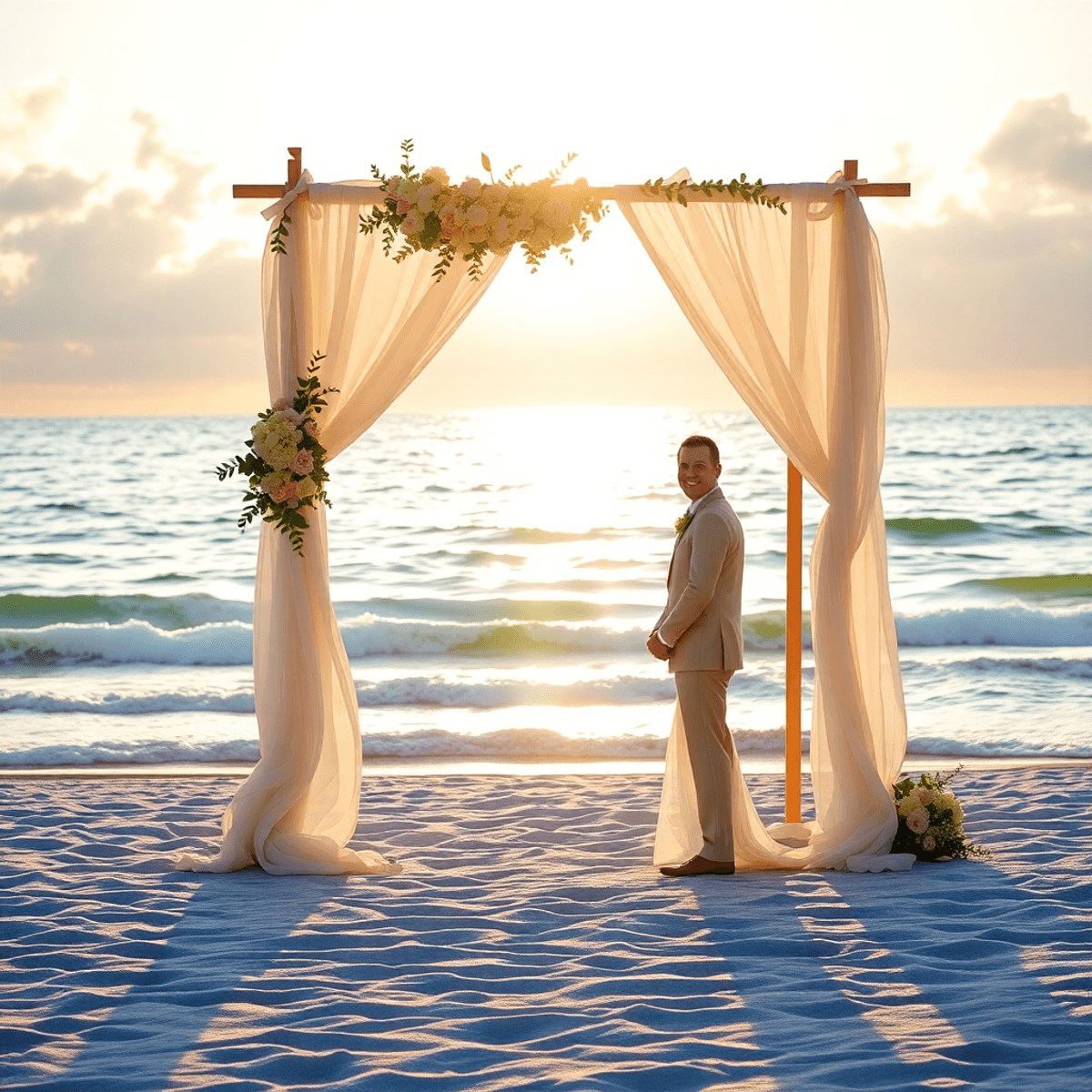
Florida makes it almost unfairly easy to plan a wedding that looks like it belongs on a postcard.
You’ve got year-round light (that golden, glowy kind photographers love), water views everywhere, and more venue variety than most states can offer in a single region—beaches, gardens, yachts, chapels, estates, historic homes, rooftop hotels, citrus groves, you name it.
But if you’re here searching for the best Florida wedding venues, you probably don’t just want a pretty list. You want to know what actually fits your vibe and your logistics—because the stuff that looks dreamy on Instagram can turn into a planning headache fast.
This guide is built to solve the most common Florida wedding pain points:
- Weather whiplash (heat, rain, wind, hurricane season)
- Beach permits and “surprise rules”
- Guest travel and where everyone stays
- Vendor coordination across outdoor spaces
- Budget surprises (rentals, generators, shuttles, staffing)
By the end, you’ll have a venue-style roadmap, questions to ask before you sign, and a simple “successful wedding story” framework you can copy to plan with confidence.
Why Florida is one of the easiest places to plan a picture-perfect wedding
Florida is basically a “choose your own wedding movie” state.
Want a barefoot sunset ceremony? Done. Want black-tie under banyan trees? Also done. Want your guests on a yacht with champagne while the skyline slides by? Florida says yes.
Here’s why it’s so wedding-friendly:
- Natural backdrops are built in. Ocean, bays, intracoastal waterways, palm-lined lawns, tropical gardens, Art Deco streets—your décor budget stretches further when the setting already looks expensive.
- Venue variety is unmatched. You can pick a vibe first (coastal, classic, modern, tropical, old Florida) and then find multiple venues that match it.
- It works for local weddings and destination weddings. Flights are easy, hotel inventory is huge, and guests actually want a Florida weekend.
But the secret to a truly stress-free, picture-perfect Florida wedding is this:
Pick the venue style that matches your weather tolerance, guest experience, and budget predictability—not just the photos.
That’s exactly what we’ll do.
Before you pick a venue: 5 Florida-specific decisions that make everything easier
Most couples tour venues first and ask logistics later. In Florida, flipping that order saves you time, money, and a lot of “wait… we need permits?”
Here are five decisions to make early.
1) Choose your region first (and know what it changes)
Florida isn’t one wedding market—it’s several.
- Panhandle (Destin, 30A, Panama City Beach): sugar-white sand, upscale beach towns, strong spring/summer demand, gorgeous sunsets.
- Central Florida (Orlando, Winter Park, Tampa/nearby): easier flights, strong vendor inventory, lots of ballrooms and estates, reliable guest convenience.
- Gulf Coast (Sarasota, Naples, St. Pete): calmer water vibes, sunset-heavy photo timelines, luxury resort energy.
- Atlantic Coast (Palm Beach, Fort Lauderdale, Miami): glamorous, modern, nightlife-friendly, great for guests who want a city weekend.
- Florida Keys: laid-back, tropical, “we all traveled for this” energy—amazing but travel-heavy and often pricier.
This one choice influences your venue availability, pricing, guest travel time, and the “feel” of your wedding weekend.
2) Pick your wedding format: ceremony-only vs all-inclusive vs full weekend
Florida venues often fall into one of these formats:
- Ceremony-only: great for elopements and micro-weddings, but you’ll still need a reception plan (restaurant buyout, private room, etc.).
- All-inclusive: easiest logistics; predictable pricing; fewer vendor decisions.
- Full weekend: welcome party + wedding + brunch (perfect for destination-style regions like the Keys, 30A, Naples, or Miami).
Before you fall in love with a venue, decide what you’re actually trying to host.
3) Decide your guest experience: resort convenience vs city access vs destination feel
Ask: what do we want guests to remember?
- Resort convenience: everyone stays onsite, transportation is simple, great for mixed ages and out-of-town guests.
- City access: guests can explore, dine out, and choose their own hotels; great for Miami, Fort Lauderdale, Tampa, Orlando.
- Remote destination: feels intimate and special, but requires more planning and clearer communication.
4) Know what your venue must provide vs what you’ll bring
This is where Florida weddings can get sneaky expensive.
At minimum, confirm whether the venue provides:
- Chairs and ceremony setup
- Tables, linens, flatware/glassware
- Sound system and microphones (wind + waves are real)
- A true rain plan (not just “we’ll figure it out”)
- Catering and bar (in-house or approved vendors)
- Restrooms (especially for outdoor/private property venues)
- Power (and whether you’ll need generators)
- Lighting (you’d be shocked how many gorgeous lawns go pitch-black after sunset)
5) Set a realistic budget split (so the venue doesn’t eat your whole plan)
A simple way to avoid budget surprises is to split early:
- Venue/site fee: the right to use the space
- Food & beverage: usually the biggest cost
- Rentals: chairs, tables, tenting, restrooms, dance floor, lighting
- Planner/coordinator: the person who makes outdoor logistics survivable
- Photo/video: Florida light is stunning—capture it well
If you choose a venue with a low site fee but high rental needs (common with estates), you can end up spending more than an all-inclusive resort.
Beach weddings in Florida: the iconic ‘I Do’ (and how to do it without stress)
A Florida beach wedding is iconic for a reason. The photos are effortless. The vibe is relaxed. And a sunset ceremony can feel like a movie scene.
Beach weddings are best for:
- Couples who want a laid-back ceremony
- Smaller guest counts (usually 10–80 is the sweet spot)
- Sunset lovers and golden-hour photo priorities
- Destination-wedding energy without a passport
But here’s the truth: the beach is not a “plug-and-play” venue unless you choose the right setup.
The stress usually comes from:
- Permits and time restrictions (especially on public beaches)
- Wind (hair, sound, décor, ceremony arches)
- Heat/humidity (guest comfort and makeup longevity)
- Logistics (parking, bathrooms, accessibility)
The fix isn’t avoiding the beach—it’s choosing the right type of beach venue.
Top beach-venue styles to consider (with pros/cons)
1) Beachfront resort ceremony + ballroom reception
Best for: couples who want beach photos without beach chaos.
Pros
- Easy guest experience (rooms, bathrooms, AC, parking)
- Strong rain backup (indoor spaces)
- Staff, rentals, and timelines are usually handled
Cons
- Higher minimums and service charges
- Less vendor flexibility
- Can feel less “private” depending on resort layout
2) Beach club venues
Best for: couples who want stylish, curated, coastal without a public-beach feel.
Pros
- More private than a public beach
- Often includes catering, bar, rentals
- Clean, elevated aesthetic
Cons
- Vendor lists may be limited
- Guest count minimums are common
- Noise/curfew rules can be strict
3) Private beachfront estates
Best for: couples who want privacy, a full weekend, and a highly customized look.
Pros
- Exclusive feel (your people, your space)
- Dreamy “home movie” intimacy
- Flexible design (if permitted)
Cons
- Rentals add up fast (tenting, restrooms, lighting, power)
- More coordination: deliveries, trash, staffing, insurance
- Often stricter rules than couples expect (parking, noise, load-in)
4) State/county beach pavilions
Best for: budget-friendly ceremonies with a simple plan.
Pros
- Affordable permit fees
- Some include covered areas and picnic-style seating
- Great for casual celebrations
Cons
- Permit-driven with strict timelines
- Limited privacy (public areas nearby)
- Less control over the environment (noise, crowds, weather)
5) Keys-style shoreline venues
Best for: couples who want tropical, laid-back, “we all traveled here” energy.
Pros
- Unique Florida vibe (more Caribbean than mainland)
- Great for full weekend weddings
- Often waterfront with docks, palms, and sunset views
Cons
- Travel-heavy for guests (flights + drive time)
- Vendor availability can be tighter (book earlier)
- Costs can rise quickly due to logistics
Waterfront and yacht wedding Florida: a venue that moves (and wows)
If you want a wedding that feels intimate, cinematic, and unforgettable, a yacht wedding is hard to beat.
A yacht wedding feels like:
- Built-in entertainment (you’re literally cruising)
- Constantly changing photo backdrops (skyline, open water, sunset)
- A “private event” energy that’s hard to replicate on land
Ideal guest counts and flow
Most yacht weddings shine with smaller guest lists—think 20 to 120 depending on the vessel.
A common flow that works beautifully:
- Dockside arrival + welcome drink
- Ceremony on deck
- Cocktail cruise (photos happen naturally here)
- Dinner + dancing (either docked or cruising depending on the route)
The biggest win: you don’t need to “flip” a ceremony space into a reception space the way you do at some venues. The event just moves through the boat.
But yacht weddings have Florida-specific realities: wind, salt air, docking logistics, and weather contingency planning.
How to budget for a yacht wedding (without surprises)
Yacht pricing can look simple until you realize what’s included and what’s not.
Typically included
- Captain and crew
- A set time block (often 3–6 hours)
- Basic onboard furniture and layout
- Bar packages (varies widely)
- Basic staffing for service (sometimes limited)
Often extra (and where budgets spike)
- Additional boarding staff/security
- Enhanced sound (wind eats audio—microphones matter)
- Décor and florals designed for wind/salt air (heavier arrangements, secure mechanics)
- Docking fees (depending on location and route)
- Rentals that match your vision (chairs, specialty tables, lounge furniture)
- Insurance requirements (liability certificates, sometimes event insurance)
Contingency planning to ask about
- Weather reschedule policies (and deadlines)
- Alternate docking plans if seas are rough
- Refund vs credit policies
Season/timing guidance (general)
- Morning and late afternoon often have calmer vibes and better light.
- Shoulder seasons can be ideal, but always ask your yacht company what months are typically smoother for your specific route and coast.
Garden, historic, and estate venues: classic Florida romance (without the sand)
If you want lush backdrops and a formal feel—without guests fighting sand in their shoes—garden and estate venues are the sweet spot.
These are best for:
- More formal ceremonies
- Larger guest counts (often 80–250+)
- Couples who want greenery, architecture, and clean portrait backdrops
- Guests who want easier walking, seating, and climate control options
Common venue types in Florida:
- Botanical gardens
- Historic homes and museums
- Citrus groves (iconic Florida)
- Ranch/estate properties with lawns and oaks
The key is making sure the venue’s rain plan is not a downgrade. In Florida, a “rain plan” shouldn’t mean “everyone under a small tent, hoping the ground doesn’t flood.”
What to ask an estate venue before you sign
Bring these questions to your tour and get answers in writing.
1) What are the curfew and noise rules?
Especially important near residential neighborhoods. Some venues require music off by 10pm sharp.
2) How does parking work—and do we need shuttles?
If parking is limited or offsite, budget for transportation early.
3) What’s the rain plan capacity and vibe?
Ask: “If it rains, where does the ceremony happen, and does it feel just as intentional?”
4) Power, lighting, and restrooms—what’s already there?
Estate weddings often need:
- Additional lighting for paths and dinner
- Power distribution
- Portable restrooms (the luxury kind)
5) What are the setup/cleanup windows?
Some estates allow full-day access; others give you a tight window that forces a larger staffing spend.
6) Is a planner required?
Many estates require a professional coordinator because the logistics are more complex. It’s not a cash grab—it’s usually protection for the property and your timeline.
Chapel weddings and ‘Love Story’ vibes: intimate, meaningful, and fast to plan
Chapel weddings work incredibly well in Florida because they solve three problems instantly: heat, rain, and timeline unpredictability.
Why chapels are a great Florida option:
- Air-conditioned comfort
- Predictable ceremony timing
- Romantic tradition (it feels meaningful even when it’s small)
- Easier attire choices (no sinking heels, less humidity panic)
They’re perfect for:
- Elopements and micro-weddings
- Weekday ceremonies (often better pricing)
- Vow renewals
- Couples who want something heartfelt without a massive production
The trick is making it feel personal instead of cookie-cutter.
How to make a chapel wedding feel personalized (not cookie-cutter)
You don’t need a huge guest list to make it unforgettable. You need intentional details.
1) Write a short “how we got here” love story
Give your officiant 6–10 sentences: how you met, what changed, what you love about each other. It instantly makes the ceremony feel custom.
2) Pick 2–3 signature details
- A meaningful song (live musician or a simple speaker setup)
- A bouquet style that fits your setting (classic, tropical, minimalist)
- Handwritten vows
- A family heirloom (handkerchief, jewelry, a Bible, a photo)
3) Create a mini-timeline
- First look
- Ceremony
- Portraits around the chapel/nearby streets or gardens
- A celebratory toast (champagne, espresso martinis, whatever feels like you)
4) Choose a reception style that fits
- Private dining room at a favorite restaurant
- Rooftop cocktails
- Beach picnic at sunset
- Yacht dinner for a small group
Chapel weddings aren’t “less than.” They’re just tighter, cleaner, and often more emotional.
All-inclusive vs DIY venues in Florida: what you gain (and what you give up)
This decision shapes your entire planning experience.
What “all-inclusive” usually means
Often includes:
- Venue space
- Catering + bar
- Basic rentals (tables, chairs, linens)
- Staff
- An on-site coordinator (varies in scope)
- Sometimes décor packages
What you gain
- Predictable costs
- Fewer vendors to manage
- Strong rain backups (indoor options)
What you give up
- Less flexibility in vendors and timing
- Package upgrades can get expensive
- You may have to work within a house style
What “DIY/flex venues” usually mean
Often includes:
- The space only (sometimes with very basic infrastructure)
What you gain
- Vendor freedom
- More creative control
- Sometimes a lower upfront site fee
What you give up
- More planning load
- Rentals and staffing can be a budget trap
- You need a stronger rain plan and a stronger coordinator
Hidden costs to watch in Florida
These are the most common “how did we miss that?” line items:
- Tent + flooring (if the ground gets wet, flooring becomes non-negotiable)
- Generators and power distribution
- Luxury restrooms
- Shuttle transportation
- Extra staffing/security required by venue or city
- Permit fees (especially for public beaches and parks)
When a wedding planner pays for themselves
A Florida planner is especially worth it if you’re doing:
- Beach, yacht, or estate venues
- Outdoor-heavy timelines
- A destination wedding with lots of out-of-town guests
- Anything requiring permits and contingency plans
A good planner protects your budget by catching rental gaps, building realistic timelines, and preventing last-minute “emergency fixes” that cost the most.
A ‘successful wedding story’ blueprint: copy this venue-first planning timeline
If you want planning to feel calm (instead of chaotic), you need a timeline that respects Florida reality: weather, travel, and vendor competition.
Here’s a venue-first blueprint that works.
12–10 months out: choose region + guest count, shortlist venues, consider a planner
- Decide your region and top 2 venue styles
- Lock a realistic guest count range (even a range helps)
- Tour venues, whether in person or virtual. If you’re unsure how to go about this, here’s a helpful guide on touring wedding venues.
- If you’re hiring a planner, this is the moment—especially for outdoor or destination weddings
10–8 months out: book venue, photographer, and key vendors
- Book the venue and confirm the rain plan in writing
- Book photographer (Florida light is a huge part of your aesthetic)
- Secure catering and bar if the venue doesn’t include it
- Block hotel rooms if guests are traveling
- Start transportation planning if the venue is remote
Weather-proofing your day (built into planning, not added later)
- Choose ceremony timing that avoids peak heat (late afternoon is popular, but consider your season)
- Add hydration stations and shade plans
- Communicate attire guidance to guests (breathable fabrics, heel protectors for lawns, etc.)
Wind-proofing for beach/yacht weddings
- Weighted décor (arches, aisle markers, signage)
- Hair/makeup notes (humidity-proof products, hairstyle choices that survive wind)
- Audio strategy (proper microphones and speakers)
Hurricane season considerations
You don’t need to panic—you need smart contracts.
- Read force majeure clauses
- Ask vendors about reschedule flexibility
- Consider travel insurance for destination-heavy guest lists
- Avoid overly tight timelines if weather could disrupt travel
Realistic weather planning (without killing the vibe)
Florida weather changes fast. The couples who enjoy their wedding most aren’t the ones who “got lucky.” They’re the ones who planned like adults and styled it like artists.
The rain plan hierarchy (best to worst)
- Indoor option that still feels beautiful
- Covered terrace/veranda (ideal for garden/resort venues)
- Tent with flooring (good, but plan it early)
- “We’ll decide later” (this is how you lose money and sleep)
Heat/humidity fixes that don’t feel medical
- Cold drinks offered before guests sit down
- Ceremony kept tight and intentional (15–20 minutes can be perfect)
- Fans in discreet places (especially for outdoor ceremonies)
- Shade where people gather (welcome area, cocktail hour)
Wind fixes that protect the ceremony
- Skip lightweight décor that turns into a sail
- Use sturdy florals and low centerpieces
- Invest in audio (guests forgive wind; they don’t forgive not hearing vows)
Choosing the right wedding planner in Florida (and what to ask before you hire)
Florida planning has a few unique pressure points: permits, weather contingencies, outdoor logistics, and vendor timing across travel-heavy weekends.
Planner types (and what they actually mean)
- Full-service planning: from venue search to vendor booking to design to execution
- Partial planning: you book some vendors; planner supports strategy and remaining bookings
- Month-of coordination: timeline and execution (often starts 6–8 weeks before)
- Venue coordinator vs independent planner: venue coordinators protect the venue; independent planners protect you (best is when they work together)
What a great Florida planner does specifically
- Handles permits and location rules (especially beaches/parks)
- Builds weather contingencies into the timeline
- Knows which vendors perform well in heat, humidity, and wind
- Adds buffers for travel, sunset timing, and outdoor transitions
- Prevents rental gaps (power, restrooms, lighting, tenting)
Key interview questions to ask
- Have you planned weddings at my venue type (beach/yacht/estate/garden)?
- What’s your contingency plan approach for rain and wind?
- How many weddings do you take per month, and who is onsite with you?
- How do you communicate—text, email, calls—and how fast?
- What budget surprises do you commonly see with venues like this?
- Can you share a sample timeline and rental checklist?
What to prepare before you reach out
Planners can help faster (and quote accurately) if you provide:
- Date range (or 2–3 ideal weekends)
- Guest count estimate
- Your style in plain words (e.g., “coastal classic,” “tropical modern,” “black-tie garden”)
- Top 3 venue types you’re considering
- Your non-negotiables (sunset ceremony, indoor dinner, late-night dancing, etc.)
Venue comparison cheat sheet: match your vibe to the right Florida wedding venue
Use this as a quick gut-check when you’re deciding between “pretty” and “practical.”
Beach wedding
- Guest comfort: medium (heat/wind/sand)
- Weather risk: higher
- Accessibility: varies (sand can be tough)
- Cost predictability: medium (permits + rentals can shift)
- Photo style: bright, airy, cinematic sunsets
- Best for: elopements, micro-weddings, relaxed destination vibes
Garden/estate wedding
- Guest comfort: high (better footing, more control)
- Weather risk: medium (rain planning matters)
- Accessibility: usually good (ask about ADA routes)
- Cost predictability: medium (rentals can add up)
- Photo style: lush, romantic, editorial
- Best for: classic romance, 100–250+ guests, formal attire
Waterfront/yacht wedding
- Guest comfort: medium-high (depends on boat layout)
- Weather risk: medium-high (water conditions + wind)
- Accessibility: varies (boarding can be a factor)
- Cost predictability: medium (extras add up)
- Photo style: cinematic, luxury, skyline + water
- Best for: intimate, high-impact weddings; couples who want something different
Chapel wedding
- Guest comfort: high (AC, predictability)
- Weather risk: low
- Accessibility: usually good
- Cost predictability: high
- Photo style: timeless, romantic, story-driven
- Best for: elopements, micro-weddings, meaningful ceremonies, fast planning
Resort wedding (all-inclusive style)
- Guest comfort: very high
- Weather risk: low-medium (strong backups)
- Accessibility: high
- Cost predictability: high (watch minimums and fees)
- Photo style: polished, versatile (beach + ballroom)
- Best for: out-of-town guests, convenience, larger weddings, low-stress planning
The best venue isn’t the trendiest. It’s the one that creates the experience you want guests to remember.
Wrap-up: how to lock your venue and start planning with confidence
Florida has a venue for every kind of “picture-perfect” wedding—beachy, classic, modern, tropical, intimate, luxurious. The key is choosing based on vibe + logistics together.
Here are your simplest next steps:
- Shortlist 5 venues in one region (don’t scatter across the state)
- Request pricing and ask what’s truly included
- Tour (virtual or in-person) and walk through the rain plan
- Confirm the rain plan, curfew/noise rules, and required vendors in writing
- Hold a date once you’re confident the venue matches your guest experience
Pick the venue that fits your love story—not just the photos you’ve saved. Trends change. A well-planned, well-felt day is what lasts.