Signs a bridesmaid is creating unnecessary drama

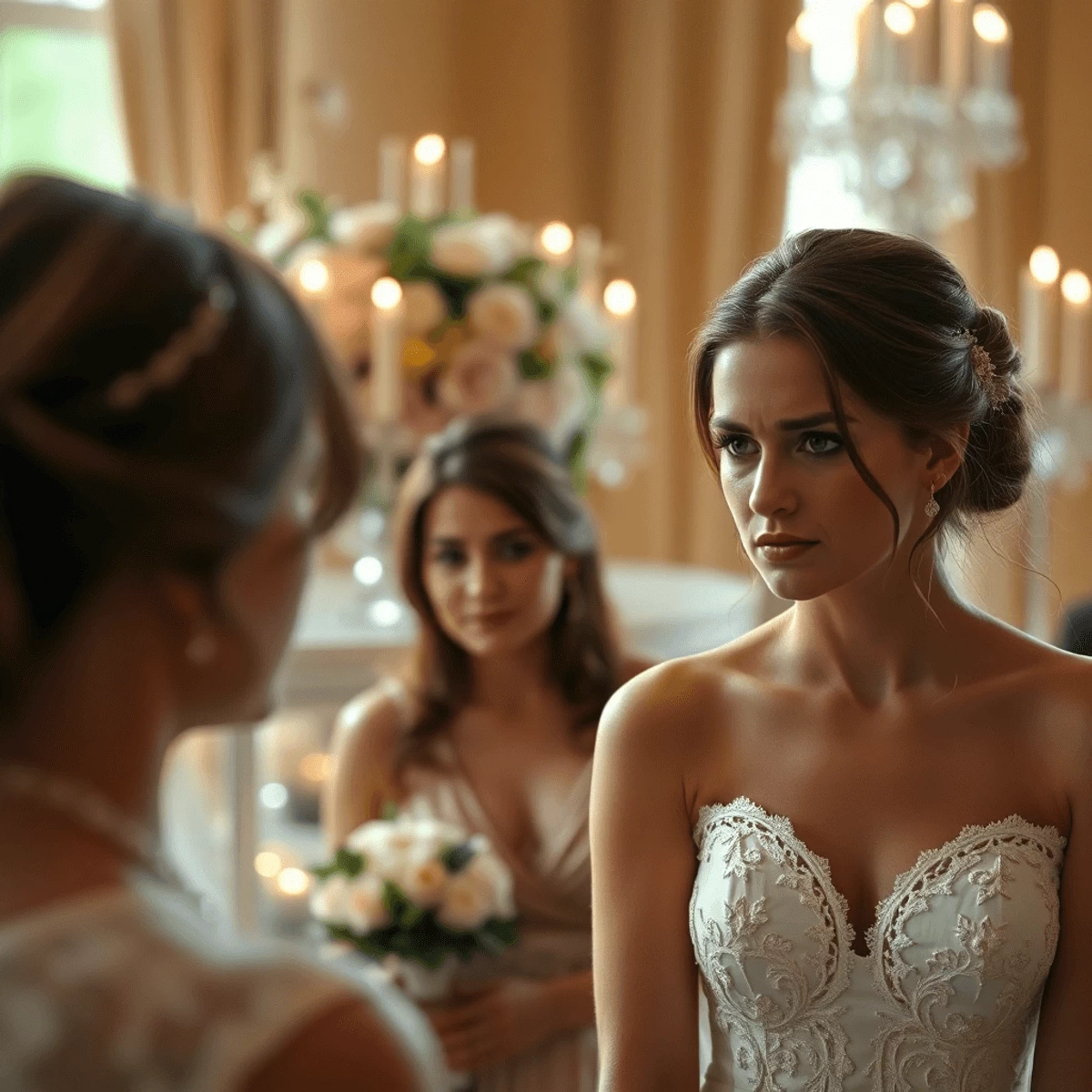
Upset bridesmaid looking distant at a wedding, with soft-focus flowers and candles in warm natural light.

Weddings come with feelings. Lots of them. Excitement, nostalgia, stress, family stuff that suddenly resurfaces, and the weird pressure for everything to be “perfect” even though real life is… not.

So when a bridesmaid starts stirring up unnecessary drama, it can be hard to tell what’s actually happening.

Is she overwhelmed and acting out of character? Is this just normal wedding friction? Or is she consistently creating problems that drain your energy, derail planning, and make you dread your own wedding events?

This guide from Wedding Serenity is here to help you spot the signs early, respond without escalating, and protect your peace. Not with confrontation for the sake of confrontation. With clarity, boundaries, and a little strategy.

What “unnecessary drama” looks like in real wedding life

“Drama” doesn’t always mean someone is yelling in a group chat. More often, it looks like:

  • constant tension around simple decisions
  • subtle guilt trips
  • turning small issues into emotional emergencies
  • pulling focus away from the couple
  • making other bridesmaids feel like they’re walking on eggshells

And importantly. A bridesmaid can be a good person and still be a bad fit for this season of your life.

Quick self check first (because context matters)

Before you label anything, take 30 seconds and ask:

  • Has something big happened in her life recently? Breakup, loss, job stress, health issues?
  • Is she normally like this, or is this new?
  • Have expectations been clearly communicated to everyone?
  • Is she reacting to confusion, or creating confusion?

Sometimes what looks like drama is actually unclear roles, poor communication, or too many obligations. But if the pattern continues even after clarity, that’s when you pay attention.

In such situations, it might be helpful to explore some wedding rituals that could bring some positivity back into the planning process. Remember that while weddings are significant events filled with emotions and expectations, they should also reflect the couple’s unique love story. For more insights on navigating through these complex emotional landscapes during weddings or to explore various wedding-related topics further, Wedding Serenity has a wealth of resources available.

17 Signs a Bridesmaid Is Creating Unnecessary Drama

1. She makes everything about her feelings

A supportive bridesmaid has feelings, sure. But she can hold them without making them the main event.

If every decision becomes “I feel hurt” or “I can’t believe you’d do that to me” or “I guess I’m not important,” that’s a sign she’s centering herself in your wedding.

What it sounds like:

  • “Wow. Okay. Didn’t realize I’m just a filler bridesmaid.”
  • “If you pick that dress, I’m going to look horrible. I can’t handle that.”

2. She turns normal planning into a crisis

One of the biggest red flags is escalation. Every small detail becomes urgent and emotionally loaded.

Examples:

  • A schedule change becomes “This is so disrespectful.”
  • A budget limit becomes “You’re ruining the whole experience.”
  • A delayed reply becomes “Are you mad at me?”

3. She repeatedly ignores boundaries (time, money, roles)

You set a clear plan, and she keeps pushing it. Not once. Repeatedly.

Common boundary issues:

  • insisting on expensive plans after you said you’re keeping costs down
  • texting late at night expecting immediate emotional labor
  • overriding decisions that aren’t hers to make
  • contacting vendors or other bridal party members behind your back

4. She wants a vote on things that aren’t group decisions

There’s a difference between being included and being in charge.

If she argues about your:

  • ceremony timeline
  • guest list
  • makeup look
  • wedding colors
  • seating chart
  • vendor choices

…like she’s a co-planner, it can start to feel like you’re negotiating your own wedding.

For instance, if she insists on changing the wedding ceremony floral arrangements or wants to take control over decisions regarding the services you’re considering for your wedding, that’s another warning sign.

5. She complains to others instead of coming to you

This is subtle but huge. A drama pattern often involves triangulation.

Signs:

  • you hear her complaints through someone else
  • she vents to the group but acts “fine” with you
  • she recruits allies to pressure you

It creates confusion fast. And it makes you feel like you’re managing politics, not planning a wedding.

6. She constantly “misunderstands” basic communication

Sometimes people genuinely miss details. But if she repeatedly twists what you said, forgets what you agreed on, or insists you were unclear when you weren’t, it can become a form of conflict manufacturing.

Example:

  • You: “Please order by the 10th so it arrives in time.”
  • Her: “You never told me there was a deadline. You’re stressing me out.”

7. She makes passive aggressive comments (especially in public)

Not everything needs a direct confrontation. But passive aggression is still aggression.

Watch for:

  • little jabs at your choices
  • sarcastic “jokes” about your budget or preferences
  • comments like “Must be nice…”
  • eye rolls, sighs, or dramatic silence in group settings

It’s exhausting. And it makes other people tense too.

8. She starts competing with the bride (or the moment)

This can show up as:

  • trying to outshine you at bridal events
  • constantly bringing attention back to herself
  • over sharing personal drama at key moments
  • insisting her needs come first during wedding weekend

If you find yourself thinking, “Why does this feel like a rivalry,” trust that instinct.

9. She undermines other bridesmaids

Drama often spreads by picking at the group.

Signs:

  • she criticizes others’ bodies, budgets, or partners
  • she gossips about someone’s role or effort
  • she tries to position herself as “your real best friend”

This doesn’t just hurt feelings. It destabilizes the entire bridal party dynamic.

10. She makes commitments, then backs out last minute

Emergencies happen. But consistent last minute changes are disruptive.

Examples:

  • “I can’t make the shower” the night before
  • not ordering her dress on time
  • skipping fittings, rehearsals, or planned tasks without notice
  • promising to help, then disappearing

The drama here is the chaos. It forces you to scramble and absorbs your attention.

11. She treats wedding events like a negotiation

A reasonable question is fine. But if every plan turns into a debate, it becomes draining.

You’ll notice:

  • endless back and forth
  • “what if we do this instead” on every detail
  • resistance unless it’s her preference

This often comes from control issues or insecurity. Still not your job to fix.

12. She keeps score

A supportive bridesmaid helps because she cares. A dramatic one helps to build leverage.

What it looks like:

  • “After everything I’ve done for you…”
  • “I spent money so you owe me…”
  • “Remember when I did X, so you should let me do Y…”

Scorekeeping makes everything feel transactional, and that can get ugly fast.

13. She creates tension around spending (in either direction)

Money is a common trigger.

Drama can look like:

  • shaming others for not spending more
  • shaming you for setting budget boundaries
  • pressuring you into pricey plans
  • or refusing reasonable costs while demanding special exceptions

The key sign is not the budget. It’s the emotional pressure and conflict attached to it.

14. She needs constant reassurance

Everyone needs reassurance sometimes. But if her anxiety becomes your responsibility, it turns into a draining dynamic.

You might notice:

  • frequent “Are you sure you want me?” conversations
  • taking neutral messages personally
  • escalating if you don’t respond quickly
  • needing you to soothe her after she causes an issue

15. She hijacks group chats with negativity

The group chat should not feel like a stress feed.

Signs:

  • she complains constantly
  • turns logistics into arguments
  • sends long emotional messages that require a response
  • creates sides and tension

If you dread opening your phone, something’s off.

16. She talks badly about the wedding itself

Even if she personally wouldn’t choose your style, a bridesmaid’s job is to support you.

Red flags:

  • mocking your theme, venue, or timeline
  • acting like your wedding is “too much” or “not enough”
  • implying you’re being difficult for normal preferences

17. You feel calmer when she’s not involved

This is the simplest sign. Your body knows.

If you feel relief when she’s not present, or you find yourself avoiding updates to prevent a reaction, that’s information.

Not a reason to panic. A reason to respond.

In some cases, these behaviors may indicate deeper issues such as a friend who always appears to be in need of validation, which can be emotionally exhausting to deal with.

Drama vs. stress: a simple way to tell the difference

Here’s a quick comparison that can help you separate a stressed bridesmaid from a drama creating one.

Situation

More likely stress

More likely unnecessary drama

She’s overwhelmed

Communicates honestly, asks for clarity

Blames others, escalates, makes it personal

She can’t afford something

Suggests alternatives, opts out respectfully

Guilt trips, shames, pressures the group

She disagrees

Shares once, then supports your decision

Argues repeatedly, recruits others, undermines

She missed a deadline

Apologizes, fixes it quickly

Deflects, denies, makes you the problem

She needs support

Accepts limits, respects your time

Requires constant reassurance, demands priority

If it’s stress, you can usually solve it with clarity and kindness. If it’s drama, you solve it with boundaries and follow through.

Why some bridesmaids create drama (without being “bad people”)

This part matters because it helps you respond without spiraling into guilt. Understanding emotionally reactive traits can provide insights into this behavior.

Common reasons:

  • Jealousy or grief: your milestone highlights what they’re not experiencing
  • Control coping: they manage anxiety by controlling details
  • Old friendship dynamics: they’re used to being the loud one, the leader, the crisis person
  • Money shame: budgets can trigger insecurity and defensiveness
  • Feeling replaced: weddings shift friendships. That can scare people

Understanding the why can give you compassion. But it doesn’t mean you have to tolerate behavior that hurts you. It’s important to remember the dos and don’ts of friend drama in these situations.

How to handle a drama-causing bridesmaid (calmly, clearly)

Step 1: Get specific about what’s happening

Before you talk to her, write down:

  • What happened (facts only)
  • How it affected you or planning
  • What you need to change going forward

This keeps the conversation grounded. And it prevents you from accidentally turning it into a personality critique.

Step 2: Address it early, in private

The longer you wait, the harder it gets. And group chat confrontation almost always makes things worse.

A simple script that works:

“I want to talk about something small before it becomes bigger. Lately I’ve felt stressed when plans turn into conflict. I need communication to stay practical and kind, even when we disagree. Can we reset how we handle decisions going forward?”

Then pause. Let her respond.

Step 3: Set one or two clear boundaries

Keep them simple. Not a 12 point list. You might find some useful tips on how to set boundaries in a relationship.

Examples:

  • “I won’t be discussing vendor choices in the group chat anymore. I’ll share final details when they’re confirmed.”
  • “If something feels upsetting, please bring it to me directly, not to the group.”
  • “I can’t do late night texting. If it’s urgent, call. Otherwise I’ll respond tomorrow.”

Step 4: Give her a face-saving off ramp

If she’s overwhelmed, she might want out but feel ashamed. You can offer an option without making it a punishment.

“If being a bridesmaid feels like too much right now, it’s okay to step back and just come as a guest. I’d rather have you comfortable than stressed.”

This one sentence has saved a lot of friendships, honestly.

Additional Tips:

When setting those clear boundaries mentioned in Step 3, remember that they should be straightforward and easy to understand. For more insights on how to effectively establish boundaries, consider exploring additional resources that provide further guidance on this topic.

Step 5: Reduce her role if needed

Not every bridesmaid needs tasks. If someone is high conflict, give them fewer opportunities to create chaos.

You can:

  • stop sharing planning details
  • limit decision input
  • assign small, low stakes responsibilities
  • keep communication one on one, not group based

Step 6: If it continues, be direct and decisive

If boundaries don’t work, you don’t keep negotiating your peace. This is where understanding the importance of setting boundaries becomes crucial.

A firmer script:

“I’ve tried to reset this a couple times, but the tension is still impacting me. I need the rest of wedding planning to feel calm. I think it’s best if you attend as a guest instead of being a bridesmaid.”

It’s not fun. But it’s clean. And clean is kinder than months of resentment.

What to do if the drama is spreading to the whole bridal party

If one person’s behavior is pulling others in, do a quick reset.

A short group message you can use

Keep it neutral. No call outs.

“Quick note. I’m keeping wedding planning simple from here. If you have questions, please message me directly. I’m trying to reduce group chat stress so we can all enjoy this.”

Then follow through by moving logistics to a shared doc or a pinned message. Less chatting, more clarity.

This approach aligns with our philosophy at the Wedding Serenity Club, where we advocate for strategies that promote calm and confident planning during weddings. Not because group chats are bad, but because they tend to be chaotic by default, especially with money and timelines involved.

A “calm bride” checklist for bridesmaid drama

Use this when you feel yourself getting pulled into the emotional whirlwind.

  • Am I reacting to the tone, or the actual issue?
  • Have I clearly communicated the expectation once, in writing?
  • Have I set a boundary and a consequence (even a small one)?
  • Can I delegate communication to a maid of honor or point person?
  • Do I need to pause and respond later instead of right now?
  • If nothing changed, could I live with this dynamic until the wedding?

That last question is clarifying. Because sometimes the answer is no, and that’s enough.

If you’re not sure what to say, try these scripts

Here are a few “copy, paste, adjust” options.

When she’s criticizing decisions

“I hear you. I’m going with what feels right for us, and I’d love your support even if it’s not your preference.”

When she’s pressuring you to spend more

“I’m keeping costs manageable. If something doesn’t fit your budget, it’s okay to opt out, no hard feelings.”

When she keeps stirring conflict in the group chat

“Let’s keep the chat for logistics and fun. If something feels off, message me directly.”

Remember, marriage is a sacred bond that transcends these temporary issues.

When she’s late or inconsistent

“I need confirmations by Friday so I can finalize plans. If that’s not possible, I’ll make an alternate plan.”

When you want to give her the option to step down

“I care about you, and I also want this season to feel peaceful. If being a bridesmaid is adding stress, it’s completely okay to come as a guest.”

One more table: what to do, depending on the type of drama

Type of drama

What it often looks like

Best response

Control drama

second guessing, insisting, micromanaging

limit access to decisions, give clear boundaries

Attention drama

emotional emergencies, spotlight shifting

validate once, then redirect, do not over soothe

Money drama

pressure, guilt trips, budget shaming

state budget once, offer opt out, stop debating

Gossip drama

side conversations, complaints through others

ask for direct communication, stop triangulation

Chaos drama

late deadlines, last minute changes

set deadlines, create backup plans, reduce reliance

When it’s okay to remove a bridesmaid (yes, really)

People worry this is “too harsh.” But sometimes it’s the healthiest option for everyone.

It may be time if:

  • she repeatedly disrespects you
  • she’s creating anxiety for the whole bridal party
  • she’s undermining your relationship or wedding choices
  • you’ve tried clear conversations and boundaries, and nothing changes
  • you feel dread instead of support

You’re not failing at friendship by choosing a calmer environment for your wedding. You’re choosing stability. There’s a difference.

If you want to do it gently, do it early, do it privately, and keep it short. No long arguments. No character attacks. Just a decision.

Protecting your peace without becoming “a bridezilla”

This is the part I want to land softly.

You can be kind and still be firm. You can be inclusive and still have boundaries. You can care about someone and still decide they can’t be in the bridal party.

If you’re trying to plan with less overwhelm, it helps to have a simple system for communication, roles, and expectations. Even something as basic as a one-page “bridesmaid info” note. That kind of practical calm is a big part of what we talk about at Wedding Serenity Club, because the goal is not a perfect wedding. It’s a supported bride.

Having clarity in planning also extends to choosing the right venue for your special day. For instance, Florida wedding venues offer stunning backdrops that can make your wedding day even more memorable.

Wrap up (so you can exhale)

A bridesmaid creating unnecessary drama usually isn’t a one-time issue. It’s a pattern.

The most common signs are escalation, boundary pushing, passive aggression, gossip, control, and emotional pressure that keeps pulling focus away from you and your partner.

You don’t need to fix her personality. You just need to protect your time, energy, and wedding experience.

Notice the pattern. Address it early. Set simple boundaries. Reduce opportunities for conflict. And if you need to change the bridal party lineup, you’re allowed to do that too.

Your wedding season can still be calm. Even if someone else is trying to make it complicated.

For more insights on navigating these challenges while ensuring a smooth wedding planning experience, consider exploring some of our resources at Wedding Serenity Club here.

FAQs (Frequently Asked Questions)

What are common signs that a bridesmaid is creating unnecessary drama during wedding planning?

Common signs include making everything about her feelings, turning normal planning into a crisis, repeatedly ignoring boundaries related to time, money, or roles, wanting a vote on decisions that aren’t group choices, complaining to others instead of addressing issues directly with the bride, constantly misunderstanding basic communication, and making passive aggressive comments especially in public.

How can I differentiate between normal wedding stress and a bridesmaid causing unnecessary drama?

First, consider if something significant has happened recently in her life like a breakup or job stress. Reflect on whether this behavior is new or typical for her. Check if expectations have been clearly communicated and if confusion stems from unclear roles or poor communication. If issues persist despite clarity and boundaries, it may be unnecessary drama rather than normal friction.

What should I do if a bridesmaid consistently ignores boundaries during the wedding planning process?

Set clear boundaries regarding time commitments, budget limits, roles, and responsibilities early on. If she continues to push these boundaries repeatedly—such as insisting on expensive plans after you’ve set limits or contacting vendors behind your back—address the issue calmly with clarity and reinforce your expectations without escalating conflict.

Why is it problematic if a bridesmaid wants control over decisions like guest lists or wedding colors?

While inclusion is important, the couple should have ultimate authority over key wedding decisions. A bridesmaid trying to take charge of elements like ceremony timelines, guest lists, makeup looks, wedding colors, seating charts, or vendor choices can derail planning and make you feel like you’re negotiating your own wedding instead of enjoying it.

How can I handle passive aggressive comments from a bridesmaid without escalating drama?

Recognize that passive aggression often masks deeper feelings. Address such comments calmly and privately by expressing how they make you feel and asking for open communication. Setting clear expectations for respectful dialogue helps maintain peace without confrontation for its own sake.

Are there positive ways to bring harmony back into wedding planning when dealing with drama?

Yes! Exploring meaningful wedding rituals can infuse positivity into the process and help reset emotional dynamics. Additionally, focusing on clarity in communication, setting firm but kind boundaries, and reminding everyone that weddings reflect the couple’s unique love story can protect your peace throughout planning.

Share this :
Facebook
Twitter
Pinterest
LinkedIn