How to tell the difference between normal wedding stress and burnout

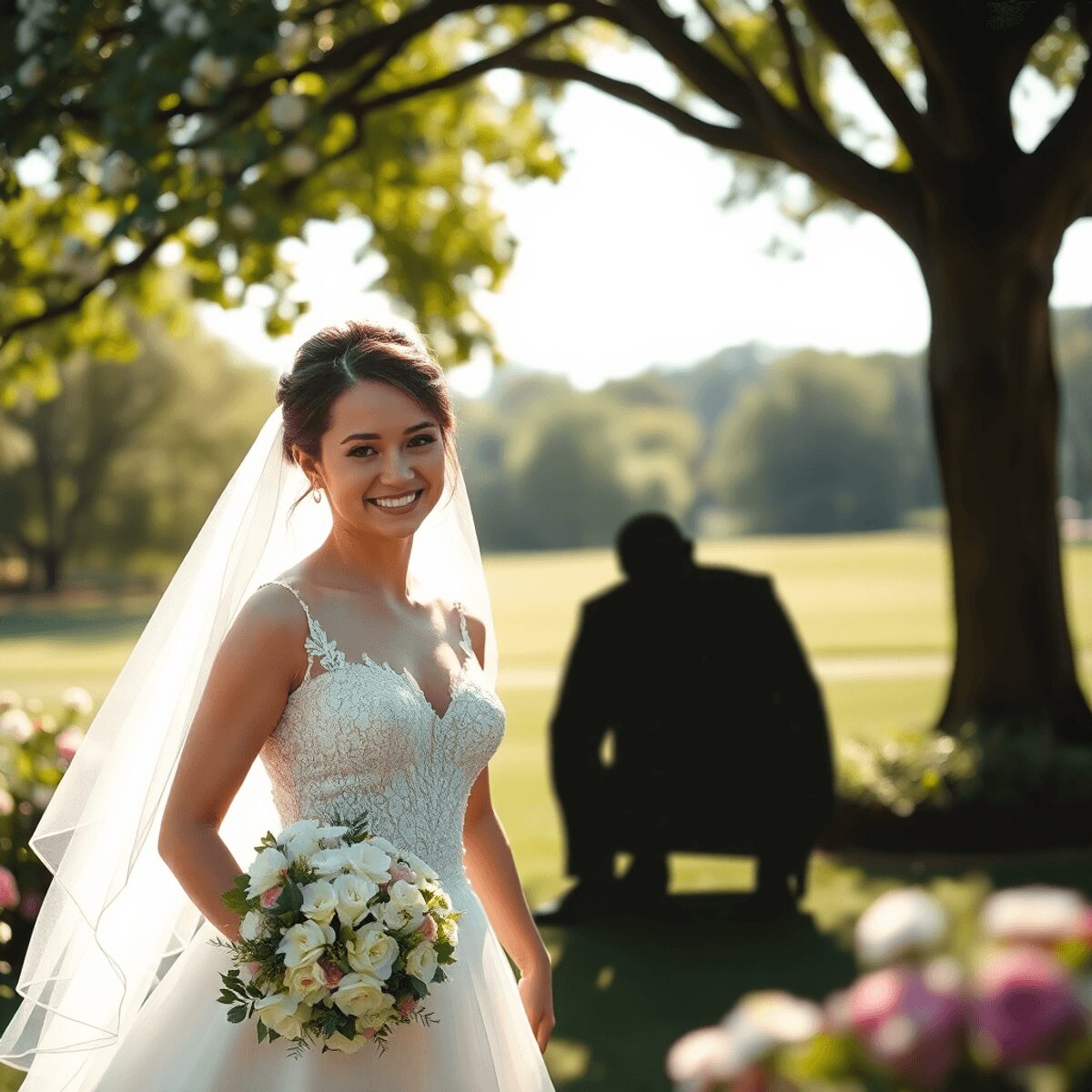
Bride and groom smiling outdoors amid flowers and sunlight, with a shadowy figure sitting alone

Wedding planning comes with stress. That part is normal. You’re coordinating people, money, timelines, emotions, family dynamics, and a bunch of tiny decisions that somehow feel enormous.

But there’s another lane some couples drift into without noticing. Burnout.

The tricky thing is that wedding burnout can look like “just a busy week” until it doesn’t. You stop sleeping. You dread opening your inbox. You can’t make simple decisions. You start snapping at your partner, or going numb, or both. And then you feel guilty because this is “supposed to be exciting.”

This article from Wedding Serenity is here to help you sort it out clearly. It differentiates between normal wedding stress and wedding planning burnout. It details what each one feels like, how to self-check, what to do next, and when to get extra support.

If you’re reading this with a tight chest and 17 tabs open, pause for a second. You’re not behind. You’re just human.

Normal wedding stress vs burnout (the simplest definition)

Normal wedding stress is a temporary, situational response to a busy season. It usually improves with rest, a clear plan, and a few decisions being finalized.

Wedding planning burnout is chronic stress without recovery. It tends to get worse over time, affects your body and mood, and starts spilling into everything. Not just wedding stuff.

A helpful way to remember it:

  • Stress says: “I have too much to do.”
  • Burnout says: “I can’t do any of this anymore.”

While managing the stress and avoiding burnout, remember that it’s also important to infuse joy into your wedding planning process. One way to do this is by exploring unique cultural practices related to weddings such as the Amazonian tribes’ sacred marriage celebrations under trees, or the Caribbean wedding ritual that sweeps away bad luck.

Also, don’t forget the aesthetic aspect of your big day! Consider incorporating some stunning floral arrangements into your wedding ceremony.

Why this matters (and why people miss it)

A lot of couples miss burnout because wedding culture normalizes intensity.

  • Late nights are framed as dedication.
  • Constant planning is framed as “being on top of it.”
  • Anxiety is framed as “it means you care.”
  • Pushing through is framed as “it’ll be worth it.”

And sure, some pressure is unavoidable. But when your nervous system never gets a break, your brain stops working the way you need it to. You lose patience, memory, creativity, libido, appetite, motivation. You start making decisions from panic, not values. That’s when the experience gets muddy and heavy.

Burnout doesn’t mean you’re ungrateful. It means your load is bigger than your capacity right now.

Quick comparison table: stress vs burnout symptoms

Here’s a clear side by side. Not a diagnostic tool, just a reality check.

Category

Normal wedding stress

Wedding planning burnout

Duration

Comes in waves, tied to deadlines

Ongoing for weeks, feels relentless

Energy

Tired but functional

Exhausted, “nothing left,” even after rest

Mood

Anxious or irritable, but you still feel excitement sometimes

Numb, hopeless, tearful, or constantly on edge

Sleep

A few bad nights

Chronic insomnia or unrefreshing sleep

Thinking

Busy mind, but you can still decide

Brain fog, indecision, forgetfulness

Body

Occasional tension

Frequent headaches, stomach issues, tight chest, getting sick more

Motivation

“Let’s get this done”

Avoidance, dread, shutdown

Recovery

Improves after a day off

A day off doesn’t touch it

If the burnout column feels uncomfortably familiar, there are gentle, practical ways to climb out. It’s crucial to recognize that this state of overwhelm doesn’t signify ingratitude towards the wedding process. Instead, it highlights that the current load exceeds your capacity. For those seeking relief from such overwhelming feelings during their wedding planning journey, exploring resources like Wedding Serenity could provide valuable insights and support.

Normal wedding stress: what it usually looks like

Normal stress tends to show up around predictable moments:

  • you’re choosing a venue, photographer, or caterer
  • you’re finalizing the guest list
  • invitations are due
  • family opinions get loud
  • you hit the “too many choices” wall (flowers, fonts, favors, playlists)

And the feeling is usually:

  • a bit edgy, a bit rushed
  • mentally “on”
  • physically tense
  • but still able to problem solve
  • still able to enjoy non wedding life sometimes

A real life example of normal stress

You have three vendor calls this week, your seating chart is looming, and your aunt texts asking if her boyfriend can come. You feel annoyed and slightly overwhelmed. You vent to your partner. You go for a walk, sleep, and on Saturday you knock out two tasks and feel better.

That’s stress doing what stress does. It’s not fun, but it moves.

Wedding burnout: what it usually looks like (and why it feels different)

Burnout is stress plus no recovery plus too much emotional labor.

It often includes:

  • feeling trapped by expectations
  • feeling like nothing you do is enough
  • constantly “managing” other people’s emotions
  • decision fatigue so intense you can’t choose napkins, let alone a menu
  • resentment, toward the wedding, families, friends, sometimes your partner
  • a weird numbness where you don’t even care anymore

A real life example of burnout

You wake up already tired. You open your email and your stomach drops. You avoid replying to vendors because it feels like drowning. You cry in the car after a dress fitting even though nothing “bad” happened. Your partner asks a normal question and you snap. You can’t remember the last time you felt excited, just relieved when a task disappears.

That’s not a motivation problem. That’s your system overloaded.

The most common causes of wedding planning burnout

Burnout isn’t about being weak. It’s usually about one or more of these:

1) Too many decisions, too fast

Weddings compress a huge number of choices into a short timeline. If you’re also working full time, caring for family, or juggling life stuff, decision fatigue hits hard.

2) Unclear roles (you become the default manager)

If one person is doing the planning, communication, and emotional buffering, burnout becomes very likely. Even with a loving partner. Especially if you’re used to being “the organized one.”

3) Family pressure and emotional labor

Not just opinions. The constant translating, soothing, explaining, and anticipating reactions. That’s energy.

4) Perfectionism disguised as “just wanting it to be nice”

Perfectionism keeps the nervous system on high alert. There’s always something else to optimize. Always.

5) Budget stress

Money stress is real stress. And it doesn’t turn off when you close the spreadsheet.

6) No rest built into the timeline

A lot of planning timelines are task based, not human based. They don’t include recovery days.

A simple self-check: are you experiencing stress, or burnout?

Use this as a quick “where am I today” check. No judgment. Just data.

Wedding stress check-in (2 minutes)

Answer yes or no:

  • I can still make decisions, even if I don’t enjoy them.
  • I still feel moments of excitement or gratitude.
  • When I rest for a day, I feel noticeably better.
  • My appetite and sleep are mostly okay.
  • I can focus at work or in daily life most days.

If you said yes to most, you’re likely experiencing normal wedding stress.

Now this set:

  • I feel emotionally flat or constantly anxious.
  • I dread wedding tasks and avoid them.
  • I’m more forgetful, foggy, or indecisive than usual.
  • I’m getting sick more often, or my body feels “revved up.”
  • Even when I rest, I don’t recover.
  • I’ve thought, “I don’t even want a wedding anymore.”

If you said yes to several, you may be in wedding burnout. Remember that burnout is usually a slope, not a cliff.

The red flags that mean “pause and adjust now”

Some signs are especially important to take seriously:

  • Panic symptoms: racing heart, shortness of breath, feeling faint, constant tight chest
  • Persistent insomnia: multiple nights a week, for weeks (this Cleveland Clinic article provides useful insights)
  • Frequent crying or emotional numbness that doesn’t match the situation
  • Irritability that’s out of character or affecting your relationship
  • Loss of interest in normal joys (food tastes bland, nothing feels fun)
  • Intrusive thoughts or a sense of doom
  • Using alcohol, scrolling, or overworking to avoid feelings every day

If these are happening, the answer is not “push harder.” The answer is “reduce load and increase support.”

One way to alleviate some of this stress is by simplifying your wedding planning process. For example, choosing from some beautiful Florida wedding venues could reduce the burden of decision-making and help restore some joy to the process.

The overlap that confuses people (and what to look for)

Sometimes normal stress looks intense. Sometimes [burnout looks quiet](https://weddingserenity.com/single-post/).

Here’s what usually distinguishes burnout:

Burnout changes your identity and capacity

Not just “I’m stressed.” More like:

  • “I’m not myself.”
  • “I can’t think.”
  • “I don’t care.”
  • “I’m failing at everything.”

Burnout spreads

It doesn’t stay in the wedding folder. It leaks into work, friendships, intimacy, appetite, sleep.

Burnout doesn’t resolve with a single productive day

You can check off ten tasks and still feel awful. Sometimes worse.

Table: what to do depending on what you’re feeling

This is the practical part. Different state, different solution.

If you’re feeling…

Most likely

What helps first

Busy, tense, but motivated

Normal wedding stress

Clarify next 3 tasks, set a short deadline, take a real break

Overwhelmed, snappy, behind on replies

Stress tipping into burnout

Reduce commitments, delegate, stop nonessential decisions for 7 days

Numb, dread, brain fog, constant exhaustion

Wedding planning burnout

Pause planning, get support, protect sleep, simplify the wedding scope

Panicky, not functioning, or spiraling

Burnout plus anxiety

Talk to a professional, tell key people you need help, stabilize basics first

How to prevent wedding burnout (without turning planning into a second job)

This is not about becoming a productivity robot. It’s about creating recovery.

1) Set “no wedding talk” hours

Even one block helps. Example:

  • Weeknights after 8:30 pm are wedding free
  • Sunday morning is wedding free
  • One date night a week with a rule: no logistics

If your brain keeps spinning, write the thought down. Park it. Don’t solve it at midnight.

2) Cap decisions per week

Decision fatigue is real. Try:

  • 2 major decisions per week (venue, photographer, menu)
  • 3 minor decisions per week (napkins, signage wording, favor idea)

Everything else goes into a list called “Later.” And later is not tonight.

3) Delegate like you mean it

Not “can you help.” More like:

  • “Can you own the transportation plan end to end?”
  • “Can you handle the RSVP tracking and follow ups?”
  • “Can you be the point person for your family’s questions?”

If you’re the only point of contact for everything, burnout is a math problem. It will happen.

4) Use a “good enough” filter

Ask this about any detail:

  • Will anyone remember this in a year?
  • Does this support the feeling we want?
  • Is this worth the stress it’s costing?

If the answer is no, you get to simplify.

5) Build recovery into the timeline on purpose

A calm plan includes blank space.

One thing we suggest inside Wedding Serenity Club is treating rest like a vendor. It goes on the calendar. It’s non negotiable. Not because you’re fragile. Because your brain needs recovery to make good choices.

If you’re already burnt out: a gentle 7 step reset

If you’re in burnout territory, here’s a reset that actually works because it reduces load fast.

Step 1: Call it what it is

Say it out loud, to yourself or your partner:

“I think I’m burnt out.”

Naming it reduces shame. And shame is fuel for burnout.

Step 2: Take a 72 hour pause on non urgent wedding tasks

Not forever. Three days.

During the pause, you still do essentials (work, meds, eating, caring responsibilities), but you stop:

  • browsing inspiration
  • replying instantly
  • rechecking spreadsheets
  • adding new tasks

You’re telling your nervous system: we are not being chased.

Step 3: Identify the top 3 stressors

Write them down. Usually it’s something like:

  • family pressure
  • money
  • too many decisions
  • lack of help
  • fear of disappointing people

Don’t solve yet. Just identify.

Step 4: Reduce the wedding scope in one concrete way

Pick one simplification that creates immediate relief, like:

  • fewer guests
  • fewer events (skip the extra brunch, or keep it super casual)
  • simpler florals
  • simpler menu
  • cutting custom details
  • ditching favors
  • limiting plus ones with a clear boundary

You’re allowed to choose the version of the wedding that supports your health.

Step 5: Reassign one category to someone else

One category. Fully.

If you’re doing everything, this is the moment to shift the structure, not just the mood.

Step 6: Stabilize basics for one week

Burnout recovery is boring. It’s also effective:

  • consistent meals, even if simple
  • hydration
  • movement that feels kind, not punishing
  • screen limits before bed
  • sunlight in the morning if you can

Step 7: Add support, not just grit

Support can look like:

  • a planner or coordinator
  • a trusted friend as a logistics buddy
  • premade templates and checklists (this is where Wedding Serenity Club can help, offering bridal coaching for calm and confident planning)
  • therapy, coaching, or a check in with your doctor if symptoms are intense

You don’t get a medal for doing it alone.

Scripts for common burnout triggers (because words are hard when you’re tired)

Sometimes the hardest part is communicating. Here are a few scripts you can copy, adjust, and send.

To family members who keep adding pressure

“Hey, I’m feeling overloaded and I need to simplify planning. We’re making decisions based on what we can realistically handle. I’ll update you when we’ve finalized things.”

To a vendor when you’re behind on replies

“Thanks for your patience. We’re taking a short pause to finalize a few priorities. I’ll respond by [date].”

To your partner (when you need them to step up)

“I’m at capacity. I need you to fully own [specific task] and be the point person for it. I can’t carry all of it anymore.”

To friends who want constant updates

“I’m excited, but planning is taking a lot out of me. Can we talk about literally anything else today?”

When it might be more than wedding burnout

Sometimes weddings reveal existing stress that was already close to the edge. If you notice any of the following, it’s worth getting professional support:

  • symptoms of depression (persistent low mood, hopelessness, loss of pleasure)
  • panic attacks or severe anxiety
  • disordered eating patterns returning or worsening
  • obsessive checking, rumination, or intrusive thoughts
  • reliance on substances to cope
  • relationship conflict that feels scary or destabilizing

Reaching out is not “making it a big deal.” It’s taking your life seriously.

If you ever feel unsafe or like you might hurt yourself, seek urgent help in your country immediately (emergency services or a crisis hotline). Your wellbeing comes first. Always.

A calming checklist: what to prioritize for a peaceful wedding

If you’re trying to keep things simple and avoid burnout, prioritize what actually creates a good day.

High impact, worth your energy:

  • a realistic timeline (with buffer)
  • comfortable food and enough of it
  • clear communication for guests
  • a ceremony that feels like you
  • support on the day (coordinator, trusted friend, clear roles)
  • sleep the week before (as much as possible)

Consider seeking professional assistance with your wedding planning to alleviate some stress. Services like those offered by Wedding Serenity can provide valuable support.

Low impact, easy to overdo:

  • hyper specific decor details
  • custom everything
  • spending hours on signage wording
  • comparing your wedding to social media
  • trying to keep every person happy

If you’re overwhelmed, start cutting from the low impact list first.

The bottom line

Normal wedding stress is common. It’s usually tied to deadlines and it lifts when you rest, decide, delegate, or finish a task.

Wedding planning burnout is different. It’s chronic, it changes how you function, and it doesn’t improve with one productive weekend. It needs a reduction in load, real recovery, and support.

You’re not failing if this is hard. You’re responding to a lot.

And you can absolutely plan a beautiful wedding without sacrificing your health to get there. If you want a calmer structure to lean on, that’s the kind of support Wedding Serenity Club was made for. Not more noise. Just steadier steps, and fewer things to hold alone.

FAQs (Frequently Asked Questions)

What is the difference between normal wedding stress and wedding planning burnout?

Normal wedding stress is a temporary, situational response to busy periods in wedding planning that usually improves with rest and clear decisions. Wedding planning burnout is chronic stress without recovery, worsening over time and affecting your body, mood, and overall functioning beyond just wedding tasks.

What are common symptoms of wedding planning burnout?

Symptoms of burnout include ongoing exhaustion even after rest, numbness or hopelessness, chronic insomnia, brain fog or indecision, frequent headaches or stomach issues, avoidance or dread of planning tasks, and a lack of motivation that doesn’t improve with breaks.

How can I tell if I’m experiencing normal stress or burnout during my wedding planning?

Normal stress comes in waves tied to deadlines and improves after rest. Burnout feels relentless for weeks with no relief from breaks. If you notice chronic exhaustion, mood changes like numbness or tearfulness, persistent sleep problems, and difficulty making decisions, you may be experiencing burnout.

Why do many couples miss recognizing wedding planning burnout?

Wedding culture often normalizes intense dedication by framing late nights as commitment, constant planning as being on top of things, anxiety as caring deeply, and pushing through as worth it. This normalization makes it hard to distinguish burnout from expected stress.

What practical steps can help manage or recover from wedding planning burnout?

Gentle and practical ways include taking intentional breaks that truly allow recovery, seeking extra support when needed, simplifying decisions where possible, infusing joy into the process by exploring unique cultural wedding practices or aesthetics like floral arrangements, and using resources such as Wedding Serenity for guidance.

How can adding cultural practices or aesthetic elements help reduce wedding planning stress?

Incorporating unique cultural traditions—like Amazonian sacred marriage celebrations under trees or Caribbean rituals that sweep away bad luck—and beautiful floral arrangements can bring joy and meaning to your planning journey. These elements help balance the intensity with positive experiences and create memorable moments beyond logistics.

Share this :
Facebook
Twitter
Pinterest
LinkedIn