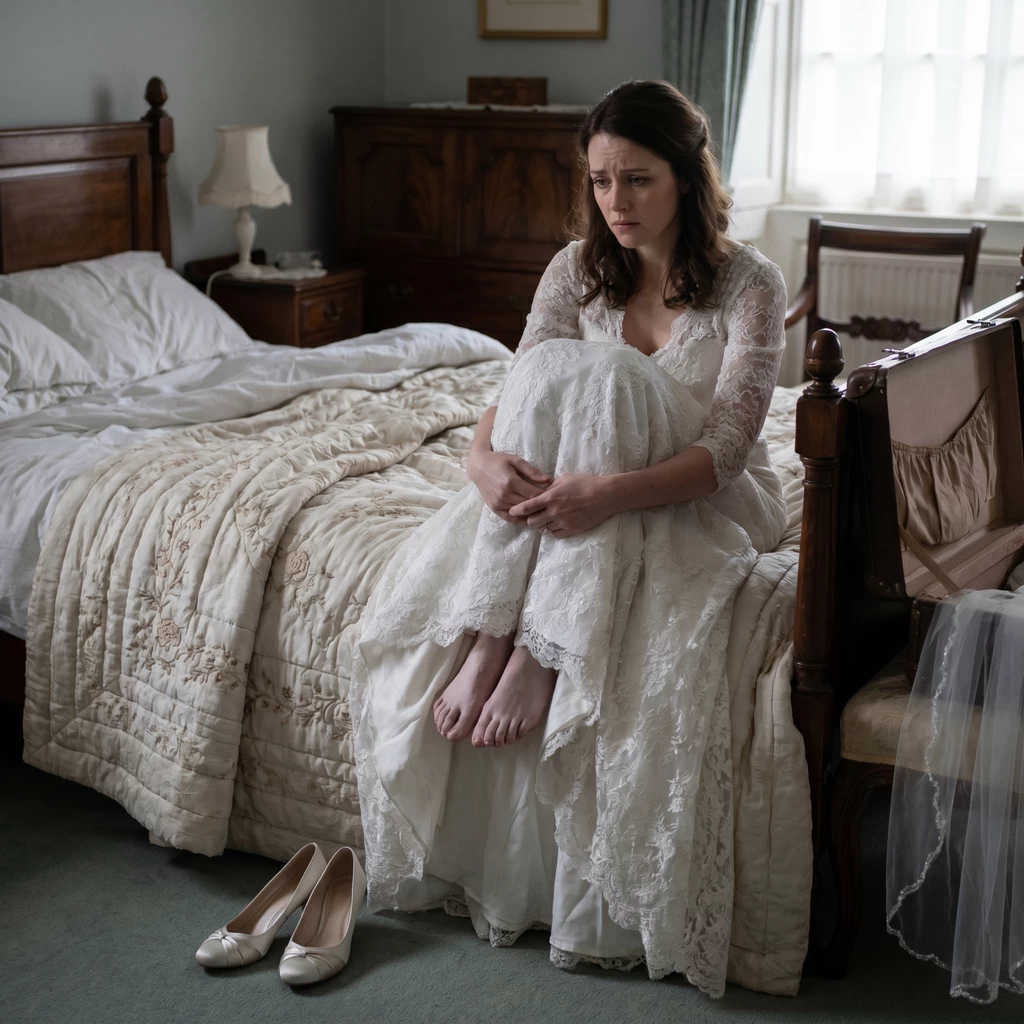
Are cold feet before a wedding normal or a red flag?

bride's cold feet , wedding anxiety

Are you excited about your engagement but already feeling overwhelmed by wedding planning? Like, genuinely happy… and also weirdly anxious at the same time?

If you’re sitting there thinking, “Why am I not just floating on a cloud right now?” you’re not alone. Not even close.

Cold feet before a wedding is one of those things nobody wants to admit out loud. Because it feels like it “means something.” And sometimes it does. But most of the time, it means you’re human, you’re making a big life decision, and you’re currently trying to plan a major event with a million moving parts while everyone has opinions.

So let’s talk about what’s normal, what’s a yellow flag, what’s an actual red flag, and the part nobody says clearly enough: wedding planning itself can create anxiety that looks and feels like relationship doubt.

Cold feet is common. But it’s not all the same.

People say “cold feet” like it’s one single thing. It’s not.

Cold feet can be:

  • A totally normal spike of anxiety because marriage is a big deal.
  • Stress and burnout from planning pressure, money pressure, family pressure.
  • Fear of change, fear of commitment, fear of doing it “wrong.”
  • Or, yes, a gut-level warning that something is off in the relationship.

The tricky part is that these can feel identical in your body. Tight chest. Racing thoughts. Random crying. Irritability. Avoiding planning tasks. Wanting to run away to a cabin with no cell service.

So instead of trying to label it in one dramatic sentence, it helps to slow down and sort what kind of cold feet you’re dealing with.

For those who find themselves overwhelmed by the intricacies of wedding planning, it’s essential to remember that you’re not alone in this journey. Seeking guidance or support during this time can be incredibly beneficial. Websites like Wedding Serenity offer valuable advice and resources tailored for couples navigating through the complexities of wedding preparations. Whether you’re looking for tips on managing stress or seeking inspiration for your big day, Wedding Serenity has got you covered. They also provide sample pages filled with insights that can help ease your wedding planning woes.

The kind of cold feet that’s usually normal

1. “I can’t believe this is real” anxiety

Even if you’re marrying the right person, marriage is permanent in a way engagement isn’t. It’s normal for your brain to go, Wait. Forever? Like forever forever?

Sometimes the fear isn’t about your partner. It’s about the weight of the decision.

What it can sound like:

  • What if I change?
  • What if we grow apart?
  • What if we become like my parents?
  • What if this is the last moment I can still back out without ruining everything?

Not fun thoughts. But normal ones.

2. Planning stress that’s disguising itself as relationship doubt

Wedding planning is basically a part-time job with emotional landmines.

You’re making dozens of decisions you didn’t ask to make, often with a budget that doesn’t match Pinterest, plus time pressure, plus social pressure, plus family dynamics. And your nervous system does not care that your vendor emails are “exciting.” It just registers them as tasks, deadlines, risk, money.

So you start feeling edgy, overwhelmed, exhausted. And then your brain looks for a reason and lands on the biggest thing.

Maybe it’s him? Maybe it’s us?

Sometimes it’s not.

However, wedding planning services can help alleviate some of this stress by taking on some of these responsibilities.

3. Fear of being the center of attention

This one is bigger than people realize. If you hate being perceived, being photographed, being watched, being “on”… wedding stuff can feel like a slow-moving panic attack.

And you might interpret that panic as doubt about marriage itself.

4. Money anxiety

Even couples who are financially stable can feel shaky when they start paying deposits. It’s one thing to talk about a wedding. It’s another to send $4,000 and realize it’s nonrefundable.

Money fear can create resentment, conflict, and second guessing. Not because the relationship is wrong. Because the stakes suddenly feel high.

5. Family pressure and the weird identity shift

Becoming someone’s wife (or husband) can stir up identity stuff. Family roles. Old wounds. Expectations. The feeling of leaving one version of life and stepping into another.

You might love your partner and still grieve your old life. That’s allowed.

The kind of cold feet that deserves a closer look

Okay. Now the harder part.

Some cold feet is your intuition tapping you on the shoulder. Not screaming. Just tapping. And it’s worth listening to.

Here are signs it might be more than “normal nerves.”

1. You feel unsafe, emotionally or physically

This is a hard line.

If there’s any physical intimidation, pushing, grabbing, threats, blocking doorways, destroying property, controlling behavior, or sexual pressure you don’t want… that’s not wedding stress. That’s danger.

However, emotionally unsafe can look like:

  • You’re scared to bring up problems.
  • Your feelings are mocked or punished.
  • You constantly walk on eggshells.
  • You apologize for everything just to keep the peace.

If that’s your reality, cold feet is not the issue. Safety is.

2. The relationship has a pattern of disrespect

Not one bad argument. A pattern.

Things like:

  • Name calling.
  • Belittling your goals.
  • Making you feel “too sensitive.”
  • Public embarrassment.
  • Silent treatment as punishment.
  • Chronic lying.

If you’re already thinking, I’m going to spend my life proving I’m worthy of kindness, pause. That’s not how this is supposed to feel.

3. You’re hoping marriage will “fix” something

If the story in your head is:

  • After the wedding, he’ll finally prioritize me.
  • After we’re married, she’ll stop flirting with other people.
  • After the wedding, he’ll grow up.
  • After marriage, our sex life will magically return.
  • After we have a baby, we’ll be closer.

Marriage can deepen what’s already there. It doesn’t usually transform the foundation. It’s essential to understand that marriage should be a celebration of love and commitment, much like the Amazonian tribes celebrate marriage under sacred trees, rather than a solution to existing problems.

4. You have major unresolved dealbreakers that you keep minimizing

This is the stuff you avoid talking about because it gets tense, or because you’re scared of the answer.

Common ones:

  • Kids or no kids.
  • Money habits and debt.
  • Religion.
  • Where you’ll live.
  • How you handle conflict.
  • Addiction issues.
  • Fidelity expectations.
  • Relationship with in-laws and boundaries.

If you can’t have honest conversations now, it tends to get harder later.

5. Your body feels like it’s screaming “no,” consistently

Not occasional anxiety. Not a few panicky days. I mean a persistent, steady sense of dread that doesn’t lift, even when things are calm.

Sometimes your body picks up on what your mind is trying to smooth over.

That doesn’t automatically mean your partner is bad. It can mean the relationship is not aligned. Or you’re in a trauma response. Or you’re deeply overwhelmed. But either way, it deserves support, not a forced smile.

A quick self check: what are you actually afraid of?

This can help you separate wedding planning stress from relationship fear.

Grab a notes app and finish these sentences, quickly, without perfect wording:

  • I’m afraid that after we’re married, ______.
  • I’m afraid I’ll lose ______.
  • I’m afraid my family will ______.
  • I’m afraid I’ll regret ______.
  • I’m afraid people will think ______.
  • I’m afraid I won’t be able to handle ______.
  • I’m afraid he/she will ______.

Now look at your answers and sort them into two piles:

Pile A: marriage and relationship fears (trust, values, conflict, commitment, safety)

Pile B: wedding and life logistics fears (money, family drama, hosting, attention, timing, workload)

If most of your fears are Pile B, your cold feet may be more about the experience of planning than the partner you’re marrying.

Which leads to something I really want to say clearly.

Wedding planning can make you feel crazy. It’s not just you.

Planning a wedding in the USA right now can be intense. You’re expected to pull off a high production event, make it “personal,” keep everyone happy, and stay within a budget that can feel like a joke once you start getting quotes.

And because you care, you put pressure on yourself. You overthink. You scroll. You compare. You try to make the “right” decision.

That pressure creates a specific kind of burnout:

  • Decision fatigue: too many choices, constantly.
  • Vendor overwhelm: contracts, pricing, timelines, deposits, reviews.
  • Budget stress: everything costs more than you expected, and you feel guilty about it.
  • Family conflict: everyone wants a vote, sometimes loudly.
  • Relationship strain: you and your partner become project managers instead of a couple.
  • Emotional whiplash: joy, dread, excitement, grief, guilt, all in one week.

And then you start thinking, If I can’t handle this, can I handle marriage?

But planning a wedding is not the same skill set as building a marriage.

Some amazing couples fall apart temporarily during planning, then feel solid again once the noise stops. Because they were never meant to carry the whole thing alone.

The planning problems that quietly trigger cold feet

Let’s make it practical. Here are a few planning challenges that often create “cold feet energy,” even when the relationship is healthy.

Budget overruns and the shame spiral

You set a budget. Then you price venues, catering, photo, flowers. Suddenly you’re adding “just a little more” to every line item and hoping it works out.

Then comes the shame. Why can’t I manage this? Why is it so expensive? Why do I feel guilty either way?

Money stress can absolutely feel like relationship stress.

Vendor overload and analysis paralysis

You’re comparing 14 photographers, reading reviews at midnight, trying to tell the difference between “light and airy” and “true to color” like you’re supposed to be an expert.

You’re not an expert. You’re a bride trying to make a good choice.

This kind of decision fatigue can show up as irritability, avoidance, and sudden doubt.

Family dynamics that bring up old patterns

Wedding planning has a way of dragging up old family roles. Adults who grew up in dysfunctional families might find these dynamics particularly challenging.

The peacemaker daughter. The “don’t upset mom” habit. The dad you can’t please. The sibling rivalry. The in-laws who have “suggestions.”

If you’re feeling activated and tense around family stuff, it can leak into how you feel about the wedding itself.

Too many decisions with no structure

This is the big one.

A lot of brides aren’t overwhelmed because they can’t do it. They’re overwhelmed because they’re doing it in a messy order.

When you don’t have a step-by-step path, everything feels urgent. You second guess everything. You keep reopening decisions. You wake up and feel behind before you even start.

That constant “behind” feeling can create panic that looks like cold feet.

What actually helps: a guided approach instead of winging it

There’s a version of wedding planning that feels calmer. Not perfect. Not stress free. But manageable.

It usually includes:

  • A clear roadmap of what to do first, next, and later.
  • A budget system that matches your real priorities, not generic percentages.
  • Vendor guidance so you’re not drowning in options.
  • Scripts and boundaries for family conversations.
  • Built in check ins so you’re not carrying everything in your head.
  • Emotional support, because yes, planning hits your nervous system.

And honestly, this is why structured planning support exists in the first place. Not because brides are incapable.

Because modern weddings are a lot.

How guided planning reduces stress in real life

Here’s what tends to change when you stop trying to DIY everything from scratch and start using a supportive, step by step plan.

You get your brain back

Instead of 500 tabs open, you have a simple next step. That alone lowers anxiety.

You spend smarter, not just less

A good budget plan helps you stop bleeding money in little decisions that don’t matter to you.

You get clarity like:

  • What are our top three priorities?
  • Where can we simplify without regret?
  • What is worth paying for and what is truly optional?

That clarity prevents a lot of the “what are we doing” freakouts.

You and your partner fight less, or at least fight better

Planning fights often stem from unclear expectations.

Who’s doing what? By when? What’s the standard? Who makes the final call?

A guided approach pushes those conversations forward early, in a non-dramatic way. It turns “you never help” into “let’s assign tasks and check in weekly.”

Not sexy. But effective.

You handle family opinions with more confidence

With scripts, boundaries, and a plan, family conversations stop feeling like emotional ambushes.

You can say things like:

  • We hear you. We’re keeping it simple.
  • That’s not in our budget, but thank you.
  • We’ve decided, and we’re excited about it.
  • If you’d like to contribute, we’d love help with X.

And you can mean it, without shaking.

You actually enjoy being engaged

This is the part I care about most.

Engagement is supposed to be sweet. Not a constant low grade panic.

When your planning is organized, you have time for the relationship. The fun stuff. The little moments. Not just logistics.

So where does Wedding Serenity Club fit in?

If you’re reading this and thinking, I don’t need a luxury planner. I just need a calm system and someone to walk me through it… that’s basically the space a program like Wedding Serenity Club is meant to fill.

Not a hard sell. Just the truth.

A supportive club-style planning experience can be the middle ground between:

  • doing everything alone with a spreadsheet you hate, and
  • hiring full-service planning that might not fit your budget

It’s guidance, structure, and emotional sanity checks. The kind that help you stop spiraling at 11 pm over napkin colors, and start making decisions like a confident adult who deserves to enjoy her own engagement.

If cold feet are being fueled by overwhelm, a calmer planning process can genuinely change how you feel day to day.

Moreover, if you’re considering where to host your dream wedding while ensuring it’s picture-perfect, exploring some of these Florida wedding venues could provide inspiration and ease some of that planning stress.

Practical steps you can do this week (even if you’re not sure what you need)

You don’t have to solve everything today. But you can start lowering the pressure.

1. Separate “marriage anxiety” from “wedding anxiety”

Use the two pile exercise from earlier. If most of your fears are logistics, treat them like logistics. Get support. Get structure. Stop making them mean your relationship is doomed.

2. Create a weekly planning rhythm, not daily panic

Pick one planning day or one planning block per week. Two hours. That’s it.

No wedding talk every night. No vendor emails in bed. Your brain needs off time.

3. Pick three priorities and let the rest be “good enough”

Write down your top three. Examples:

  • Food and guest experience
  • Photography
  • A calm day with no chaos

Everything else becomes optional. This reduces decision fatigue fast.

4. Have one honest conversation with your partner about roles

Not about centerpieces. About teamwork.

Try:

  • What parts of planning stress you out the most?
  • What do you actually care about?
  • What tasks will you fully own?
  • How do we want to handle family pressure?

This one conversation can reduce a lot of resentment.

5. If you see red flags, get outside support early

If you’re worried about safety, manipulation, addiction, repeated lying, or disrespect, talk to someone qualified. A therapist. A counselor. A trusted professional resource.

Wedding planning communities are great. But some things need real intervention, not just reassurance.

The bottom line

Cold feet before a wedding can be normal. Very normal. Especially when you’re stressed, overscheduled, spending money fast, and trying to make everyone happy.

But cold feet can also be a red flag if it’s rooted in disrespect, lack of safety, unresolved dealbreakers, or a persistent sense of dread that doesn’t go away when the planning noise quiets down.

If you’re mostly overwhelmed, the kindest thing you can do for yourself is stop trying to carry wedding planning alone. A structured, guided approach can calm the whole experience down, help you make smarter decisions, reduce fights, and give you room to actually enjoy your engagement.

And if you’ve been craving that calmer, more supported feeling, it might be worth looking at something like the Wedding Serenity Club. Not because you can’t plan a wedding. You can.

Because you deserve to feel steady while you do it.

This could mean exploring different aspects of wedding planning that could alleviate some stress. For instance, considering wedding ceremony floral arrangements that wow, or even embracing unique traditions like a Caribbean wedding ritual that welcomes a bright future. These elements not only add a personal touch to your special day but also help in creating a more serene planning experience.

FAQs (Frequently Asked Questions)

What does it mean to have cold feet before a wedding?

Cold feet before a wedding can mean different things. It might be a normal spike of anxiety because marriage is a big deal, stress and burnout from planning or family pressure, fear of change or commitment, or sometimes a gut-level warning that something is off in the relationship. It’s important to recognize that feeling anxious is common and doesn’t always indicate relationship doubt.

How can wedding planning cause anxiety that feels like relationship doubt?

Wedding planning involves numerous decisions, budget constraints, time pressures, social expectations, and family dynamics. This intense pressure can cause stress and overwhelm, making you feel edgy and exhausted. Your brain might then misinterpret these feelings as doubts about your partner or relationship when it’s actually the planning stress causing anxiety.

What are some normal types of cold feet experienced before marriage?

Normal cold feet can include ‘I can’t believe this is real’ anxiety about the permanence of marriage, stress from wedding planning responsibilities, fear of being the center of attention during the event, money-related anxieties about deposits and costs, and family pressure or identity shifts as you transition into married life.

When should cold feet be a red flag indicating potential problems in the relationship?

Cold feet become concerning if you feel unsafe emotionally or physically—such as experiencing physical intimidation, controlling behavior, emotional punishment, or constant fear of bringing up problems. These signs suggest the issue is not just wedding nerves but deeper relationship problems requiring attention.

How can couples manage wedding planning stress effectively?

Seeking support through resources like Wedding Serenity can help alleviate planning stress. Utilizing wedding planning services to handle tasks reduces overwhelm. Taking time to slow down and sort out what kind of cold feet you’re experiencing also helps differentiate between normal nerves and genuine concerns.

Is it normal to feel conflicted about marriage despite loving my partner?

Yes. It’s common to experience fears like ‘What if I change?’ or ‘What if we grow apart?’ even when you love your partner deeply. Marriage represents a major life change and identity shift; feeling anxious or grieving your old life during this transition is natural and doesn’t mean your relationship is wrong.

Share this :
Facebook
Twitter
Pinterest
LinkedIn