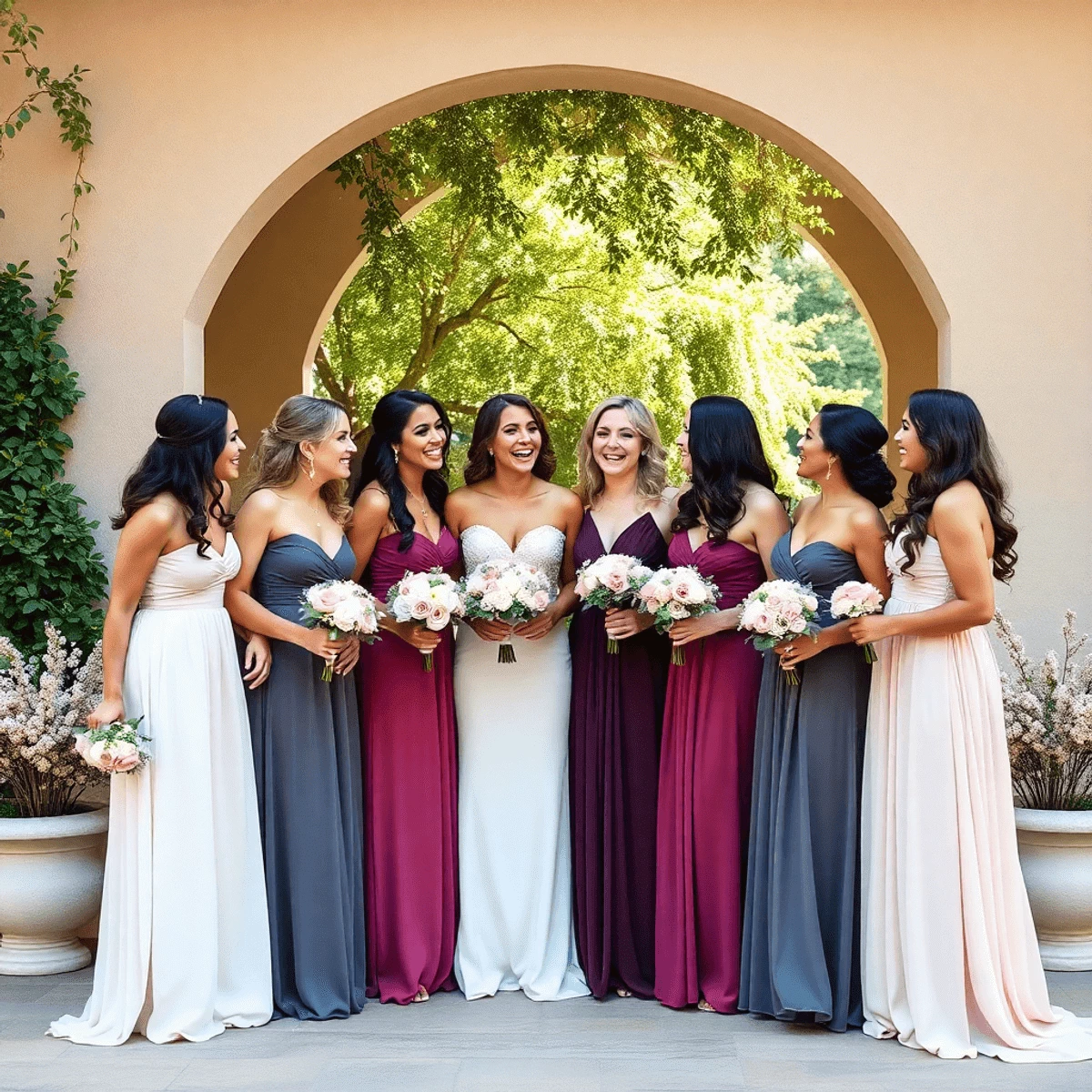
Are you excited about your engagement… but also kind of quietly panicking?
Because the second you start wedding planning, you realize something weird. It’s not just you making decisions. It’s you making decisions while managing everyone’s expectations, your budget, your timeline, your family dynamics, and also your friends who are about to spend a lot of money just to stand next to you in a dress they didn’t pick.
And that part matters.
In 2026, being a bridesmaid can be genuinely expensive. Not in a dramatic “ugh weddings are so extra” way. In a very real, credit card, PTO-days, rent-is-due kind of way.
So this post is for you, the bride who wants a beautiful day, yes. But also wants to be a good human about it.
We’ll talk numbers. We’ll talk the emotional cost nobody wants to say out loud. And we’ll talk about how a structured planning approach helps you stay organized and calm, which ironically is also the easiest way to be considerate. You might want to consider bridal coaching for calm and confident planning, which could significantly ease the process.
Because when you’re less overwhelmed, you make better choices for everyone.
The bridesmaid economy in 2026 is… a lot
Weddings have always had “hidden costs,” but 2026 bridesmaids are dealing with a few extra pressure points:
- Higher travel and hotel prices than most people remember paying a few years ago
- More weddings packed into the same season (hello, post-pandemic ripple effect, plus just life happening)
- More “events” around the wedding (welcome party, content day, bridal brunch, day-after picnic, themed bachelorette weekend, you get it)
- And honestly, social media expectations. Everyone acts like it’s normal to fly to three states for a bachelorette, wear matching outfits, and do a glam team at 6am.
Some bridal parties can afford that. Many can’t.
And the tricky part is that bridesmaids often won’t tell you. They’ll just… stress privately. Or quietly bow out. Or show up with resentment that you do not want in your photos.
So let’s put it on the table.
While planning your wedding day and managing these expectations, it’s essential to remember that your friends are making sacrifices too. A good way to alleviate some of this financial burden is by considering affordable wedding venues in Florida or anywhere else that suits your needs and budget.
Additionally, as we dive deeper into wedding planning, we should not overlook the importance of floral arrangements which can significantly enhance the aesthetic appeal of your big day.
Lastly, remember that every decision made during this process should ultimately lead towards creating a memorable and joyous occasion for everyone involved – including yourself! For more insights on how to manage this intricate balance of emotions and logistics during wedding planning, feel free to explore our blog at Wedding Serenity.
What does it actually cost to be a bridesmaid in 2026?
The cost of being a bridesmaid can vary greatly depending on the region, wedding style, and the scale of the “wedding weekend”. However, based on current trends in the US, here’s a realistic range of what bridesmaids typically pay out of pocket.
1. The dress (and alterations)
- Bridesmaid dress: $120 to $300 (sometimes more for specific designers)
- Alterations: $40 to $150 (can be higher based on the dress and city)
- Shoes: $40 to $150 (unless they can wear their own)
- Undergarments, shapewear, etc: $20 to $100
Typical total: $220 to $700
And that’s before considering hair and makeup.
2. Hair, makeup, nails, and “looking wedding ready”
This aspect can get tricky as it’s influenced by personal choice and external pressure.
- Professional hair: $75 to $150
- Professional makeup: $85 to $175
- Tip for both: $20 to $50
- Nails, brows, spray tan, lash extensions (optional but common): $0 to $250
Typical total: $180 to $600
If hair and makeup are mandatory expenses for the bridesmaid, it can be quite burdensome. Especially when they are already incurring other costs.
3. Travel and lodging
This is where costs can skyrocket quickly.
- Domestic round-trip flight: $250 to $600+
- Gas and tolls for driving: $40 to $200
- Hotel for 2 nights: $250 to $700 (depending on location and whether costs are shared)
- Rental car or rideshares: $40 to $200
- Meals: $60 to $200
Typical total: $400 to $1,700
Destination weddings can significantly increase these costs.
For those planning or attending weddings in the near future, Wedding Serenity offers a range of services that can help manage some of these expenses. From finding the perfect dress through their services, to getting valuable insights on budgeting for a wedding via their informative sample page, they provide resources that could ease the financial burden associated with being a bridesmaid.
4. The bachelorette (the sneaky big one)
A bachelorette can be a sweet dinner. It can also be a four-day trip with coordinated outfits and a boat day.
Common costs include:
- Lodging share: $150 to $600
- Flight or travel: $150 to $600
- Food and drinks: $150 to $500
- Activities: $50 to $300
- Matching outfits, accessories, “theme night” items: $20 to $150
- Contribution to the bride’s costs (often expected): $50 to $300+
Typical total: $300 to $1,800
And yes, it can go beyond that. But even the lower end is real money.
5. The bridal shower (if they’re hosting or traveling)
Not every bridesmaid is involved, but many are.
- Gift: $50 to $150
- Contribution to shower costs: $30 to $200
- Travel if out of town: $50 to $400
Typical total: $80 to $750
6. The wedding gift
Some bridesmaids give more, some give less, some feel pressured to give a full guest-level gift even after spending a ton already.
Typical total: $50 to $200+
7. Time off work, childcare, and “life logistics”
This is the part nobody calculates, but it’s a cost. For some bridesmaids, it’s the biggest one.
- Taking PTO for travel, rehearsal, wedding day: 1 to 3+ days
- Unpaid time off for hourly jobs
- Babysitter, pet sitter, family coverage
- Stress of rearranging work schedules
There’s no universal dollar amount here, but it matters. A lot.
So what’s the real total?
For a local wedding with a simple bachelorette, being a bridesmaid in 2026 often lands around:
$600 to $1,500
For a wedding with travel plus a trip-style bachelorette:
$1,500 to $3,500
And if it’s destination plus multiple events?
It can be $3,500 to $6,000+.
That’s not “just a fun weekend.” That’s a car repair. A semester payment. A chunk of a down payment. Months of groceries.
The emotional cost is real too (and it’s the part brides miss)
Even when your bridesmaids can afford it, there’s another layer.
Decision fatigue. Social pressure. Body image stuff when trying on dresses. Anxiety about spending. The stress of group chats that never end. Balancing their own life events. Some are newly married. Some are divorced. Some are struggling with fertility. Some are in a career transition. You might not even know.
And then there’s the big one.
The fear of disappointing you
A lot of bridesmaids feel like they can’t say “I can’t afford this” without being seen as unsupportive. So they stretch. They swipe the card. They say yes when they should say no.
If you want your wedding season to feel like love and not like pressure, the goal is simple:
Create an environment where honesty is safe.
That’s it. That’s the whole thing.
How to be a considerate bride without shrinking your dream
Being considerate doesn’t mean making your wedding tiny or boring or “less.” It means being intentional.
Here’s what works in real life.
1. Say the budget stuff out loud early
This one is uncomfortable for about 45 seconds. And then it becomes a relief for everyone.
What to say:
- “I want you with me, but I never want this to be financially stressful.”
- “Here’s what I’m thinking for dress and events. Tell me what feels realistic.”
If you can share a range, do it. If you genuinely have no idea yet, say that too. But don’t let it become a surprise invoice.
2. Pick your “must haves” and let the rest be optional
You don’t need to require:
- Professional hair and makeup
- A specific shoe
- A specific jewelry set
- A specific hotel
- Three extra events
You can choose one or two things that matter visually or emotionally and loosen the rest.
For example:
- “Pick any nude shoe you already own.”
- “Do your own makeup if you prefer, no pressure.”
- “Stay wherever you want, here are a few options near the venue.”
Your photos will still be beautiful. I promise.
3. If you require something, consider paying for it
This is the fairest rule in modern wedding etiquette.
If you require a professional service, cover it if you can. Especially hair and makeup.
Even partial help is meaningful:
- Pay for hair, they pay for makeup
- Cover tips
- Pay for the dress alterations
- Cover one night of lodging
- Subsidize the bachelorette activity
You don’t have to bankroll everything. But help in one clear place makes a big difference.
4. Keep the dress choice realistic
Some brides pick a $280 dress because it photographs well, and then act shocked when a friend quietly drops out.
A considerate approach looks like:
- A lower price cap (and actually sticking to it)
- A brand with inclusive sizing and easy returns
- A color palette with multiple styles so different bodies feel good
- Enough lead time for shipping and alterations
Also. If you can avoid a dress that absolutely requires shapewear and a strapless bra and special shoes, you will be loved for that.
5. Make the bachelorette “tiered,” not all or nothing
This is one of the best modern fixes. Instead of one big expensive trip that feels mandatory, you could consider making it more inclusive and flexible by doing something like:
- One local night out (everyone invited)
- Optional weekend trip for those who can and want to
And you make the language clear. Not fake-optional.
Say:
- “I would love to celebrate with you in any way. The trip is truly optional.”
Then act like it’s truly optional. No guilt. No weird vibe. No “we’ll miss you” comments.
6. Stop adding events just because you saw it on TikTok
This is blunt, but kind.
A welcome party can be lovely. A day-after brunch can be lovely. A “bridal party content day” can be fun.
But every added event becomes:
- Another outfit
- Another meal
- Another babysitter
- Another day off work
- Another expectation
If you want more moments with your people, you can create them without creating expenses.
A simple idea:
- Grab coffee with your bridesmaids in pairs. No matching outfits. No schedule. Just time.
In some cultures, like the Amazonian tribes, weddings are celebrated in a more meaningful way, such as under sacred trees which symbolize the roots of love. Such traditions remind us that the essence of marriage lies beyond extravagant celebrations and expensive dresses. You can explore more about these unique celebrations here.
7. Give people an easy way to say no
Sometimes someone can’t be a bridesmaid. They love you, but they can’t.
You can make that less painful by saying early:
- “If being a bridesmaid is too much financially or time wise, I completely understand. I want you at the wedding either way.”
That line preserves friendships.
And it also lowers your stress. Because now you’re not trying to hold everything together with unspoken pressure.
The bride stress problem is real (and it spills onto everyone)
Here’s the honest link between bridesmaid costs and your own planning stress:
When you feel overwhelmed, you tend to overcontrol.
You might micromanage the weekend. Add rules. Add expectations. Add timelines. Add “can everyone just…” texts that are really you trying to keep your anxiety in check.
Totally human. Also fixable.
Because the calmer you are, the more considerate you naturally become.
So let’s talk about why wedding planning feels like it breaks people, and what a guided approach actually changes.
The biggest wedding planning challenges (and why they hit so hard)
Budget overruns and constant money ambiguity
A budget isn’t just a spreadsheet. It’s a series of emotional decisions.
- Do we upgrade the photographer or keep the guest list?
- Do we do open bar or add live music?
- Do we pay for convenience or spend time DIY-ing?
Without a clear process, you end up making money decisions in panic mode. And panic mode is expensive.
Vendor overwhelm
There are too many options. Too many opinions. Too many packages that look similar until you read the fine print.
So you delay. Then you book late. Then you pay more. Then you feel behind. Then you spiral.
It’s a cycle.
Family conflict and expectation collisions
Even loving families can turn weddings into a weird battlefield.
- Who gets invited
- Who sits where
- What traditions matter
- Who’s paying for what
- Who feels “left out”
If you don’t have a calm plan for handling family input, you end up reacting to whoever is loudest.
Decision fatigue
This is the silent killer.
By the time you’ve decided on:
- The date
- The venue
- The guest list
- The dress
- The colors
- The catering style
- The invitations
- The timeline
- The seating chart
You are not making your best choices anymore. You’re making “make it stop” choices.
And that’s when you accidentally create stress for your bridesmaids too. More changes, more purchases, more last minute surprises.
What a structured, guided approach does differently
A good step-by-step system doesn’t just help you “stay on track.” It changes your whole emotional experience of planning.
Here’s what it tends to do.
You stop holding the entire wedding in your head
Instead of 200 floating worries, you have:
- A clear timeline
- A sequence of decisions
- A place to put everything
- A next step that’s obvious
That alone lowers stress. Like, immediately.
You make smarter budgeting decisions earlier
When you have structure, you:
- Choose priorities first
- Build a realistic budget around them
- Track spending as you go
- Catch overruns early
Which means you’re less likely to cut something important at the last second.
Also, you’re less likely to lean on your bridesmaids financially without meaning to.
You communicate more clearly (and less emotionally)
This one surprised me when I first noticed it.
When you’re guided, you don’t send frantic messages. You send clear ones.
- “Here are the dress options, please order by X date.”
- “Hair and makeup are optional, here’s the booking link if you want it.”
- “The bachelorette has two options, pick what works for you.”
Your bridal party feels respected. You feel in control. Everyone breathes.
You protect your relationships while planning
A structured approach usually includes scripts, boundaries, and realistic expectation setting.
So you’re not constantly trying to keep everyone happy at once. You’re making thoughtful decisions, and you know how to explain them.
That means fewer fights. Less resentment. More joy.
And not fake joy. Real joy.
You get time back
This is the part brides don’t believe until it happens.
When you stop doomscrolling vendor reviews at midnight, and stop reopening decisions you already made, you suddenly have time again.
Time to:
- Be engaged, not just “planning a wedding”
- Go on dates
- See your friends for normal hangouts
- Sleep
- Work out, read, do whatever makes you feel like you
Which, again, makes you a kinder bride. It’s all connected.
If you want calmer planning, build a “serenity plan” from the start
You don’t need perfection. You need a system.
Here’s a simple framework you can steal.
Step 1: Define what actually matters to you (before you book anything)
Ask yourselves:
- What do we want guests to feel?
- What are our top 3 priorities? (food? music? photos? intimacy? ease?)
- What do we not care about?
Write it down. If it’s not written down, you’ll forget when the pressure hits.
Step 2: Set a budget that includes reality, not just hope
Include the stuff people “forget”:
- Tips
- Alterations
- Marriage license
- Postage
- Vendor meals
- Travel
- Outfit changes if you’re doing them
- Buffer money (seriously, add a buffer)
Step 3: Create a planning timeline that matches your life
Not just “12 month wedding checklist.” Your real calendar.
- Busy work season
- Family travel
- Holidays
- Health stuff
- Friend weddings
If you’re already overwhelmed, your timeline should reduce pressure, not add to it.
Step 4: Decide how you’ll treat your bridal party
This is where you become the considerate bride on purpose.
Write down:
- Dress budget cap
- Whether hair and makeup are optional or required
- How many events you’re expecting
- Whether travel is involved
- What you’re contributing, if anything
Even if you adjust later, having a starting stance matters.
Step 5: Get support that keeps you steady
This can look different for different brides.
For some, it’s a planner. For others, it’s a structured membership or guided program that keeps everything organized with checklists, timelines, templates, and calm support when you’re stuck.
This is where something like Wedding Serenity Club fits naturally. Not as a “buy this now” thing. More like… if you’re the kind of bride who feels better when you’re not doing it alone, a guided approach can be the difference between enjoying your engagement and just surviving it.
Because you deserve to enjoy it. Not just get through it.
The considerate bride mindset (a quick reality check)
If you take nothing else from this post, take this.
Your bridesmaids are not props. They’re people who love you.
Most of them will happily spend money on you. They’ll show up. They’ll help. They’ll hype you up when you’re tired. They’ll fix your veil and hold your bouquet and keep you from crying your mascara off.
But they should not have to go broke to do it.
And you should not have to become a stressed out, overwhelmed version of yourself to plan a wedding.
A calmer, more structured process helps everyone. You. Your partner. Your family. Your friends.
It’s not about being “chill.” It’s about being supported.
A gentle way to wrap your head around it all
If planning feels like a lot right now, try this tonight:
- Write your top 3 priorities for the wedding. Just three.
- Estimate what you think each bridesmaid would spend, roughly, with your current plan.
- Ask yourself, honestly, “Would I be comfortable spending that for someone else’s wedding this year?”
No shame if the answer is no. That’s useful information. That’s you being thoughtful.
Then adjust one thing. Just one.
You’ll feel the difference immediately.
And if you want a calmer path from here, with less second guessing, less chaos, fewer late night spirals, and a plan you can actually follow, that’s exactly what structured support is for. The kind of support that keeps your wedding beautiful but also keeps you okay.
Because you should be okay. You should be happy.
Not just on the wedding day but during the whole season of it.
To add an extra layer of positivity and good fortune to your wedding plans, consider incorporating some unique traditions into your ceremony. For instance, this Caribbean wedding ritual could be an interesting addition that not only welcomes a bright future but also adds a personal touch to your special day.
FAQs (Frequently Asked Questions)
What are the main financial challenges bridesmaids face in 2026?
Bridesmaids in 2026 often encounter higher travel and hotel costs, multiple wedding events like welcome parties and themed bachelorette weekends, and social media-driven expectations such as matching outfits and glam teams. These factors contribute to a significant financial burden that can include dress costs, hair and makeup, travel, lodging, and meals.
How much does it typically cost to be a bridesmaid in 2026?
The typical out-of-pocket expenses for bridesmaids range from $220 to $700 for dresses and alterations, $180 to $600 for hair, makeup, and nails, and $400 to $1,700 or more for travel and lodging. These costs vary based on location, wedding style, and personal choices but represent a realistic budget for many bridesmaids today.
Why is it important for brides to consider their bridesmaids’ expenses during wedding planning?
Considering bridesmaids’ expenses helps maintain healthy relationships by acknowledging the financial sacrifices friends make. Being considerate reduces stress and resentment among bridal party members. Structured planning and open communication about costs can create a more supportive environment leading to a joyful experience for everyone involved.
How can structured wedding planning help manage the emotional and financial stresses of being a bride in 2026?
Structured wedding planning promotes organization and calmness, enabling the bride to make thoughtful decisions that balance her vision with her friends’ budgets and expectations. This approach minimizes overwhelm, fosters consideration towards others’ needs, and ultimately contributes to a smoother planning process with less emotional strain.
What resources are available to help brides manage wedding costs effectively?
Resources like Bridal Coaching for Calm and Confident Planning offered by Wedding Serenity provide guidance on managing budgets, timelines, family dynamics, and expectations. Additionally, exploring affordable wedding venues in locations like Florida or utilizing services related to dress selection and floral arrangements can help control expenses while enhancing the wedding experience.
How have social media trends impacted the expectations placed on bridesmaids in recent weddings?
Social media has amplified expectations by normalizing extravagant activities such as traveling across states for multiple events, wearing matching outfits, early morning glam sessions, and elaborate themed parties. While some bridal parties can afford these extras, many bridesmaids feel pressured financially or emotionally but may not voice their concerns openly.