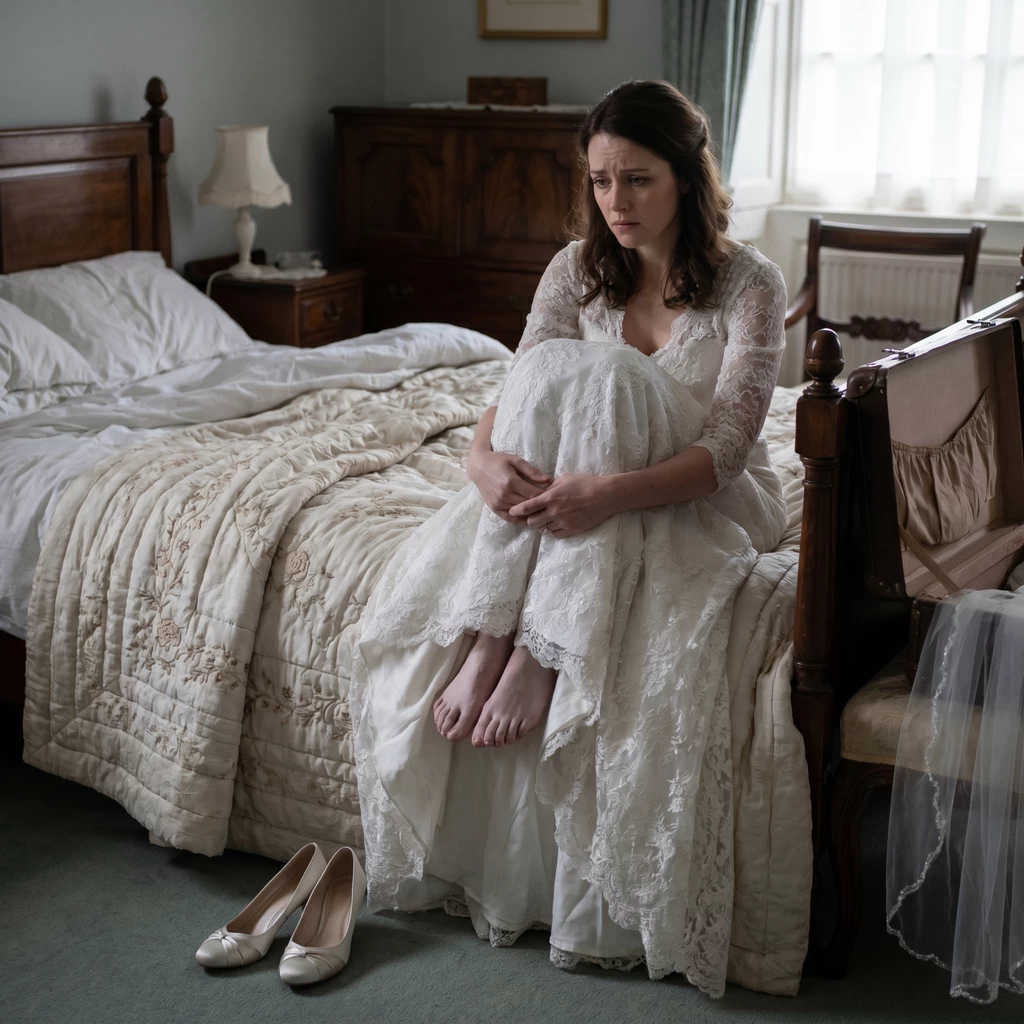
Cold feet before a wedding is usually normal — a spike of nerves about a permanent decision, not a verdict on the relationship. It becomes a red flag when it’s rooted in a specific, unresolved problem: feeling unsafe, a pattern of disrespect, a dealbreaker you keep avoiding, or a steady dread that doesn’t lift when things are calm.
The trouble is that these feel identical from the inside. Tight chest, racing thoughts, the urge to disappear for a weekend. So instead of trying to label it in one dramatic sentence, it helps to slow down and sort what kind of cold feet you’re actually dealing with.
“Cold feet” isn’t one thing
People say it like it’s a single feeling. It’s at least four:
- A normal jolt of nerves because marriage is a genuinely big commitment.
- Strain from planning, money, and family pressure that your brain then pins on the relationship.
- Fear of change, of being perceived, of “doing it wrong.”
- An actual instinct that something in the relationship is off.
The first three are common and don’t mean much on their own. The fourth is worth listening to. The rest of this piece is about telling them apart.
The kinds of cold feet that are usually just nerves
“I can’t believe this is real”
Even marrying the right person, forever is a heavy word. Thoughts like what if I change, what if we drift, what if we end up like my parents are normal. That’s the weight of the decision talking, not necessarily the person.
Planning stress wearing a relationship costume
Wedding planning is dozens of decisions you didn’t ask to make, on a budget that rarely matches the vision, with an audience. Your nervous system registers all of it as pressure — and then looks for a reason and lands on the biggest thing in view. Sometimes that’s the relationship. Often it isn’t. If the tension eases on a weekend with no wedding talk, that’s a strong clue it’s the process, not the partnership.
Fear of being the center of attention
If you dislike being watched and photographed, a wedding can feel like a slow-motion spotlight. That dread is real, and it’s easy to misread as doubt about marriage itself.
Money nerves
Even financially stable couples feel shaky sending a four-figure, non-refundable deposit. High stakes create second-guessing. That’s the stakes, not a sign.
The identity shift
Becoming someone’s spouse stirs up family roles, old patterns, and a sense of leaving one version of your life behind. You can love your partner and still feel a little grief about that. Both things fit.
The kinds that deserve a closer look
You don’t feel safe
This is a hard line. Any physical intimidation, threats, controlling behavior, or pressure you don’t want is not “wedding stress.” Emotionally, unsafe can look quieter: you’re scared to raise problems, your feelings get mocked or punished, you apologize constantly to keep the peace. If that’s the picture, cold feet isn’t the issue — safety is, and that’s a conversation for a professional, not a planning forum.
A pattern of disrespect
Not one bad argument. A pattern: name-calling, belittling your goals, “you’re too sensitive,” silent treatment as punishment, chronic lying. If part of you is already bracing to spend a marriage proving you deserve kindness, pause on that.
You’re hoping the wedding will fix something
After we’re married, he’ll prioritize me. After the baby, we’ll be close again. Marriage tends to deepen what’s already there rather than transform the foundation. If your reassurance is all future-tense, that’s worth naming out loud now.
A dealbreaker you keep minimizing
Kids, money habits and debt, religion, where you’ll live, how you each handle conflict, boundaries with in-laws. If you can’t talk about it honestly now because it gets tense, it usually gets harder later, not easier.
A steady “no” that doesn’t lift
Not a few panicky days — a persistent dread that’s there even when the week is calm. That doesn’t automatically mean the relationship is wrong. It can mean it’s misaligned, or that you’re deeply overloaded. Either way it deserves real support rather than a forced smile.
The two-list exercise
This is the fastest way to separate planning stress from relationship fear. Open a notes app and finish these fast, without editing:
- I’m afraid that after we’re married, ______.
- I’m afraid I’ll lose ______.
- I’m afraid my family will ______.
- I’m afraid I’ll regret ______.
- I’m afraid people will think ______.
- I’m afraid he/she will ______.
Now sort your answers into two piles:
- Pile A — relationship: trust, values, conflict, commitment, safety.
- Pile B — logistics and life: money, family drama, hosting, attention, workload, timing.
If most of your fears land in Pile B, your cold feet are probably about the experience of planning, not the person you’re marrying. Treat those like logistics: get structure, redistribute the load, and stop letting them mean the relationship is doomed. A weekly planning rhythm and a short list of what actually matters does more for Pile B than another late-night spiral. If you’re stuck there, this walk-through of wedding-planning overwhelm lays out a way through.
If your fears land in Pile A, that’s not a reason to panic — it’s a reason to talk to someone outside the wedding. Premarital counseling is built for exactly this: a structured space to look at the questions honestly before you’re standing at the front of a room.
Frequently asked questions
Is it normal to have cold feet even when I love my partner?
Yes. Loving someone and feeling anxious about a permanent, public commitment are not contradictions. Thoughts like “what if we grow apart” are extremely common and usually reflect the size of the decision, not a problem with the relationship.
How do I know if my cold feet are a warning sign?
Look at what the feeling is attached to. Nerves that float around vaguely and ease when you rest are usually just nerves. Cold feet tied to a specific, nameable issue — feeling unsafe, a disrespect pattern, an unresolved dealbreaker, or dread that never lifts — is worth taking seriously and talking through with a counselor.
Can wedding planning stress really feel like doubt about the relationship?
Very much so. Sustained pressure keeps your nervous system activated, and the brain tends to explain that feeling by pointing at the biggest thing in view. If the doubt fades on a wedding-free weekend, that points to the process rather than the partnership.
Should I tell my partner I’m having cold feet?
Usually yes, especially if the fears are in the logistics pile — naming them as a team tends to shrink them. If the fears are about the relationship itself, a premarital counselor can help you both look at them without it becoming a single high-stakes argument.
How common is it to think about calling off the wedding?
Passing thoughts about eloping or postponing are common under planning pressure and don’t mean the relationship is wrong. Persistent, serious thoughts about not marrying this person are a different signal and deserve honest conversation and outside support.
Where to take it next
If your list came out mostly Pile B, start by getting the planning out of your head and into a system — the overwhelmed-with-wedding-planning guide and a look at how families get involved during planning both help. If it came out Pile A, premarital counseling is the right room for it. Cold feet is information. Sorting it is what turns it from a spiral into something you can actually act on.